Stephanie Peter
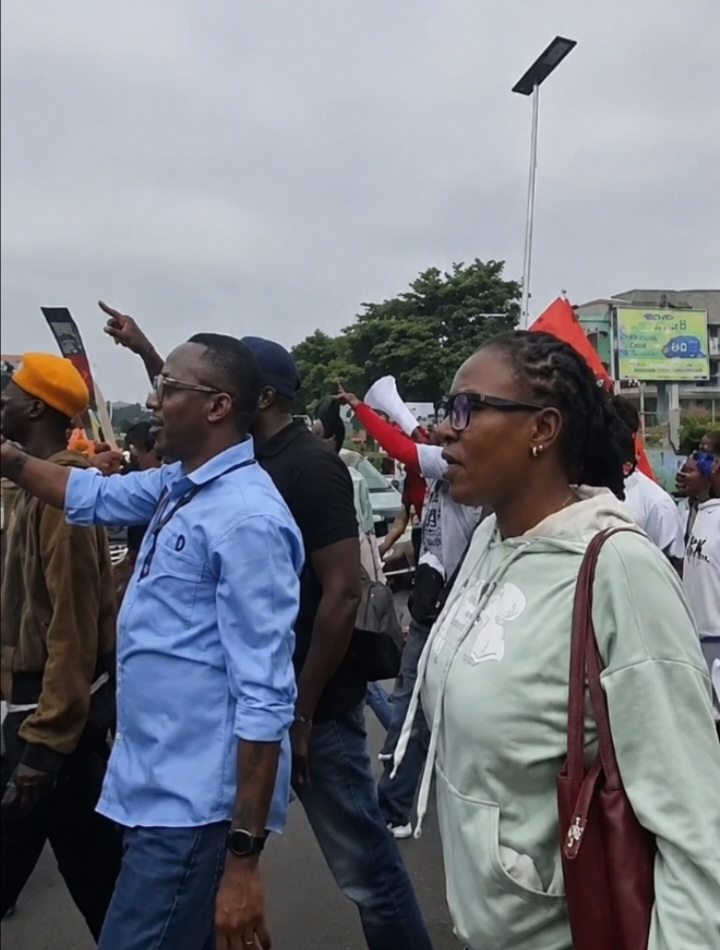
The Take It Back Movement on Wednesday staged coordinated protests in Abuja, Lagos, Ibadan, Port Harcourt and other parts of the country, demanding government action on insecurity, economic hardship and other national issues.
According to The Guardian, the demonstrations, held under the theme “Festival of the Oppressed,” saw protesters call for the rescue of Nigerians held captive by bandits and kidnappers, the implementation of a N500,000 national minimum wage, the withdrawal of charges against activist Omoyele Sowore, and urgent government intervention over reported xenophobic attacks on Nigerians in South Africa.
In Abuja, Sowore joined protesters carrying placards bearing inscriptions such as “Nigeria is Bleeding,” “Rescue Our People Now,” “Free All Political Prisoners,” “No to Xenophobia,” and “Revolution Is the Answer.”
Addressing journalists, Sowore described the protest as a reminder of what he called the need for an “imminent revolution.” He reiterated the movement’s demands, including a N500,000 monthly minimum wage for Nigerian workers, the release of Nnamdi Kanu, and the withdrawal of ongoing cybercrime and treason trials involving activists and other Nigerians facing charges over criticism of the government.
“We have several demands that we must reiterate here. They include that Nigerian workers must be paid N500,000 per month as the minimum wage. We have also asked that they release Nnamdi Kanu from unjust and unlawful detention.
“They should discontinue all forms of trial, whether it’s cybercrime or treason trials, against activists and Nigerians who are raising their voices against bad governance in this country,” he said.
Sowore added that the movement would continue its nationwide actions and urged Nigerians to join the campaign.
In Lagos, protesters gathered in the Maryland area, chanting solidarity songs and pro-democracy slogans before security operatives dispersed them with tear gas.
Reacting to the development, the Head of Legal Aid of the Take It Back Movement, Bolaji Oluwatosin, condemned the disruption of what he described as peaceful demonstrations against economic hardship and insecurity.
He argued that the action violated citizens’ constitutional rights to peaceful assembly and freedom of expression, accusing the Nigeria Police Force of targeting lawful protesters instead of focusing on its constitutional responsibility to protect lives and property.
Oluwatosin maintained that the movement would not be discouraged by what he described as state intimidation, adding that its protests would continue until its demands are met.
The Presidency and the Nigeria Police Force had not publicly responded to the protesters’ demands or the allegations raised by the movement as of the time of filing this report.