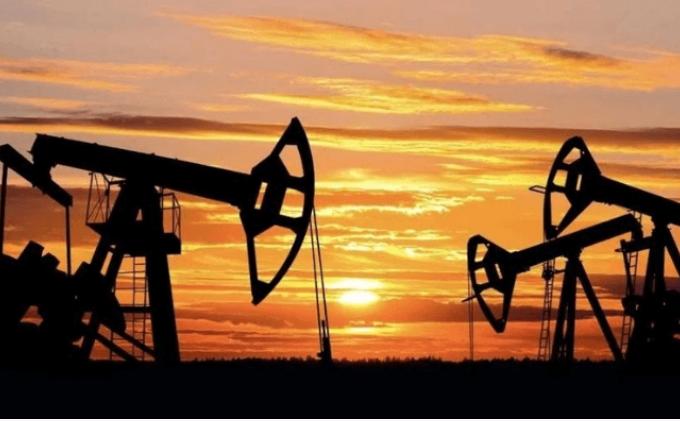
Nigeria’s effort to cushion the impact of high petrol prices through discounted sales at Nigerian National Petroleum Company Limited (NNPC) filling stations could become increasingly expensive as international crude oil prices rise above $100 per barrel.
The month-old initiative, designed to provide motorists with some relief from the high cost of fuel, is now facing growing financial pressure, raising questions about how sustainable the programme will be if global oil prices remain elevated.
The potential cost of the discount scheme could reach ₦114 billion, placing additional pressure on public finances as the government attempts to balance consumer relief with the rising cost of supporting fuel affordability.
Higher crude oil prices typically increase the cost of producing or importing petroleum products, exposing fuel-discount programmes to greater financial risks. For Nigeria, movements in the international oil market can have significant implications for domestic petrol prices and the resources required to maintain interventions.
The development also highlights the difficult choices facing policymakers as households and businesses continue to contend with elevated transportation and operating expenses.
While discounted petrol sales could offer temporary relief to consumers, maintaining the initiative over an extended period may require substantial funding, particularly if global oil prices continue their upward trajectory.
The emerging pressure on the programme underscores the challenge of protecting consumers from volatile energy prices without placing an excessive burden on government finances.
With the scheme still in its early stages, its long-term viability may depend on the direction of international oil prices, the cost of supplying petrol and the government’s ability to sustain the discounts.
Source: BusinessDay report by Feyishola Jaiyesimi, published October 20, 2026.