The death of a young medical doctor from Ebola in the Democratic Republic of the Congo (DR Congo) has renewed concerns over the safety of frontline health workers, amid warnings by the Africa Centres for Disease Control and Prevention (Africa CDC) that the continent’s response to the outbreak is yet to gain control of the disease.
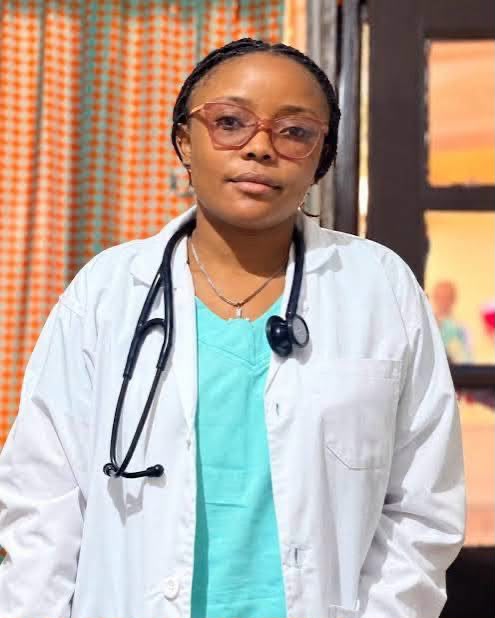
The doctor, identified as Dr Marie-France Shogogo, died from Ebola-related complications in Beni, prompting the continental health agency to call for stronger protection for medical personnel exposed to the deadly virus while treating patients.
In a condolence message issued on Friday, Africa CDC expressed sympathy to her family, colleagues and the wider medical community, describing her death as a painful reminder of the risks confronting healthcare workers in outbreak-hit communities.
The agency said her death underscored the urgent need to protect those on the frontline of the response.
“It is with profound sadness that we learn of the passing of Dr Marie-France Shogogo, a young doctor who died from the effects of Ebola in Beni. This painful loss reminds us of an absolute urgency: to protect those who protect us,” the agency said.
The death came as Africa CDC Director-General, Dr Jean Kaseya, disclosed that the outbreak response was still falling short, with 10,172 confirmed cases and 4,932 deaths recorded.
Kaseya presented the figures to more than 40 African ministers at an extraordinary ministerial meeting on Ebola, where he urged governments to strengthen preparedness and coordinate measures to prevent further spread of the disease.
He said his more than three decades of experience managing Ebola outbreaks had not diminished the emotional weight of lives lost to the disease.
“I have worked on Ebola outbreaks for more than 30 years. I have never stopped feeling the weight of each life lost,” he said.
The Africa CDC chief admitted that the scale of the outbreak showed that the response had not yet achieved the desired results.
“Yesterday I stood before more than 40 African Ministers and said what the data tells us: we are not winning so far. 10,172 confirmed cases. 4,932 people gone,” he stated.
He defended the decision to make the figures public, arguing that transparency was essential to confronting an outbreak of such magnitude.
According to him, the ministers agreed to strengthen preparedness in their respective countries, improve cross-border coordination and keep borders open while intensifying surveillance.
Kaseya expressed optimism that the commitment demonstrated by the ministers and the support of development partners would help advance a coordinated continental response.
He, however, warned that Ebola could not be treated as the concern of only the country where an outbreak was first detected, insisting that every African nation must remain prepared.
“Ebola anywhere in Africa demands preparedness everywhere in Africa. We will get there, together,” he added.