Nigeria’s preparations for the 2027 general elections are facing growing security concerns following reports of hundreds of security incidents and an increase in politically motivated attacks across the country.
An October security assessment by EONS Intelligence documented 519 security incidents nationwide, raising questions about the ability of security agencies to maintain peace as political activities gather momentum ahead of the elections.
The development comes as the Nigeria Civil Society Situation Room disclosed that 27 people lost their lives in 20 election-related incidents recorded between January and October 2026.
According to the coalition, a total of 70 physical attacks connected to political activities were reported across 19 states and the Federal Capital Territory within the same period. Campaign rallies, party offices and political gatherings were identified as some of the major targets.
Although the overall number of security incidents dropped by 11 per cent compared with September, the EONS assessment highlighted a worrying increase in violence in southern Nigeria. Security incidents in the region rose by 36 per cent, while the North recorded a 29 per cent decline.
The North accounted for 300 of the reported cases, representing 58 per cent of the national figure, while the South recorded 219 incidents.
The report also warned that insecurity could worsen in November, projecting between 90 and 120 incidents weekly. Armed attacks, kidnapping, cult-related violence and politically motivated disturbances were identified as possible threats.
Meanwhile, the military and police have announced separate operational achievements in their efforts to tackle insecurity.
The Defence Headquarters disclosed that troops neutralised 435 terrorists and bandits, arrested 809 suspects and rescued 717 kidnapped victims during operations conducted in September and October.
The military also recovered 5,666 weapons, ammunition and explosive devices, while 198 insurgents reportedly surrendered.
The police, on their part, said they arrested 1,519 suspects, neutralised 56 armed criminals and rescued 255 kidnapped victims during the same period. They also recovered 191 firearms and 3,873 rounds of ammunition.
However, police authorities acknowledged that the country continued to experience serious security challenges, disclosing that 418 homicide cases, 227 kidnapping incidents, 168 banditry attacks and 165 armed robbery cases were recorded during the review period.
Addressing concerns about political violence, Force Public Relations Officer, CSP Anietie Okokon Edem Iniedu, said the police had received reports of attacks and intimidation involving political supporters.
He explained that commissioners of police and special police units had been directed to arrest and prosecute individuals responsible for attacking opposition supporters, destroying campaign materials or engaging in other forms of pre-election violence.
The police also assured the Independent National Electoral Commission (INEC) that adequate security arrangements were being made to protect electoral officials, National Youth Service Corps members and other temporary election workers.
Beyond the security concerns, the Economic and Financial Crimes Commission (EFCC) disclosed that it had started preliminary investigations into possible illegal financing of political campaigns ahead of the 2027 elections.
The commission’s spokesman, Dele Oyewale, said the agency was carrying out background checks but declined to provide further details about its activities.
The political atmosphere has also attracted criticism from the Nigeria Civil Society Situation Room, which accused some political actors of creating an increasingly hostile environment for opposition parties.
Speaking in Abuja, the group’s co-convener, Celestine Odo, called on security agencies to remain neutral and ensure that political differences did not become excuses for intimidation and violence.
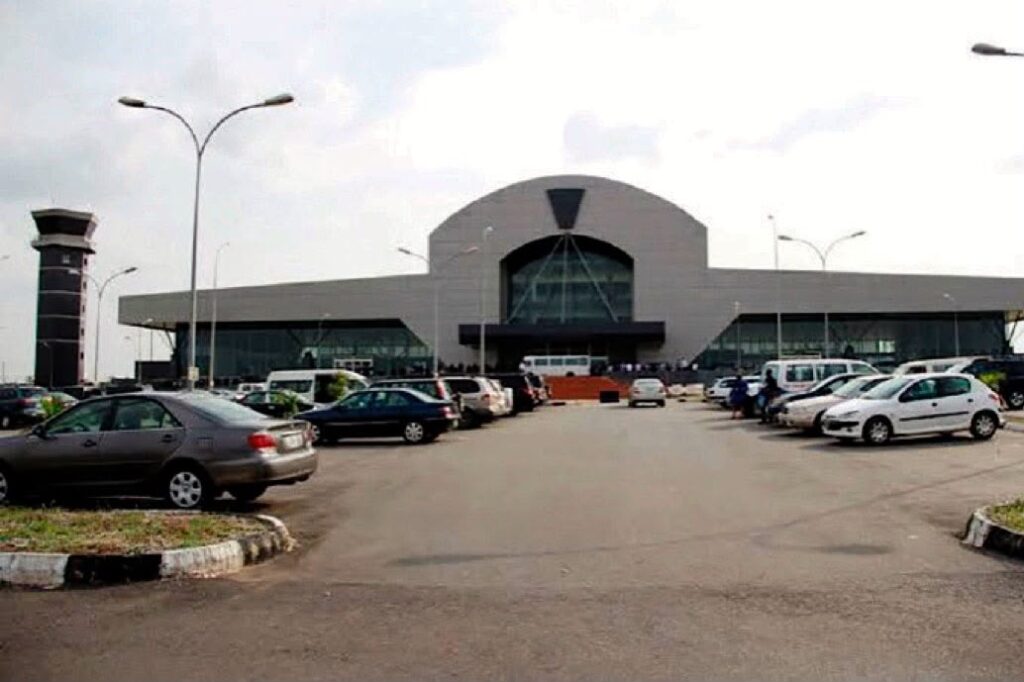
He referenced the reported killing of a Nigeria Democratic Congress supporter, Ifeanyi Nwolie, during an attack on party supporters at Akanu Ibiam International Airport in Enugu on October 10.
The coalition also cited an attack on the convoy of an NDC House of Assembly candidate in Ebonyi State, which reportedly resulted in one death and three injuries.
Another incident involving the African Democratic Congress (ADC) near Sokoto Airport on October 30 was also raised. The party had alleged that its convoy was attacked by suspected members of the Sokoto Marshal and State Community Guard, although the APC disputed the account.
The Situation Room further warned political leaders against making inflammatory statements capable of worsening tensions before the elections.
It also questioned the high fees reportedly demanded for political campaign billboards in some states, arguing that such charges could make it difficult for opposition candidates to compete fairly.
According to the coalition, presidential campaign billboard fees were reportedly set at N200 million in Abia, N150 million in Enugu, Kogi and Cross River, N75 million in Rivers, N50 million in Anambra and N40 million in Benue.
The group argued that the charges were far above conventional billboard rental rates and called on relevant authorities to investigate the matter.
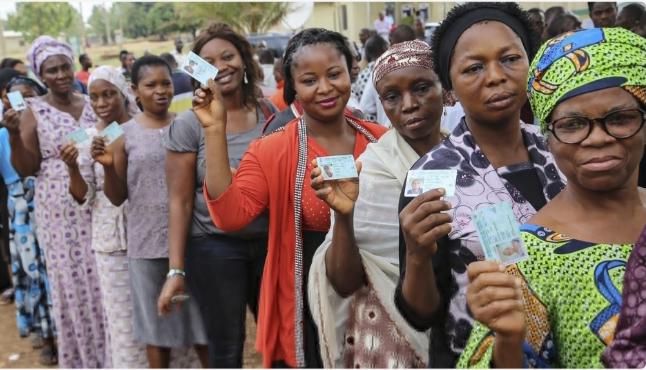
It also urged INEC to address concerns surrounding the preliminary voters’ register published on October 26, particularly questions about suspicious records and photographs allegedly generated using artificial intelligence.
With the final certification of the voters’ register expected on December 15, the coalition said the commission must ensure that all irregularities were corrected to protect the credibility of the elections.
The Situation Room maintained that political violence, intimidation and the misuse of public institutions could weaken public confidence in the electoral process, urging the government and security agencies to guarantee a peaceful environment where every political party can campaign freely.