Children need more than school, playgrounds and activities designed specifically for them to develop important life skills. Sometimes, taking them into the everyday world and allowing them to experience things outside their normal routine can make a significant difference in their growth.
A recent reflection by a mother has highlighted how ordinary family outings can influence children’s behaviour, confidence and maturity.
The mother shared how taking her seven-year-old daughter to her first Broadway performance of Wicked appeared to have a surprising effect on her. According to her, the morning after the show, her husband noticed that their daughter seemed more grown-up and mature than usual.
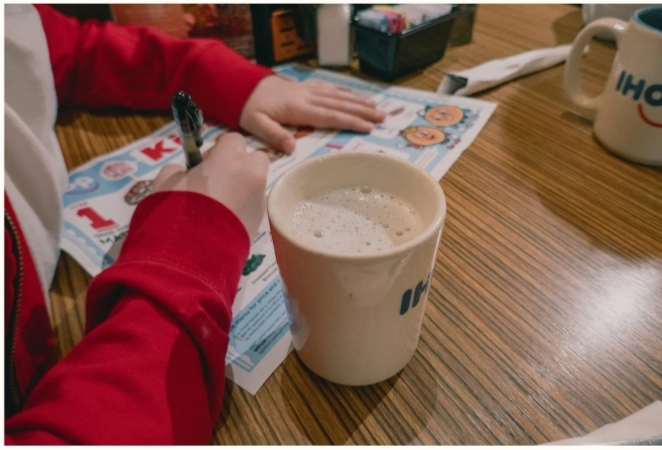
She explained that similar changes had occurred after family holidays, restaurant visits, walks around the city and other activities that took the children away from their usual surroundings.
Although such experiences may appear ordinary to adults, she believes they give children opportunities to understand the world beyond their immediate environment.
However, not every parent shares this approach. Some prefer keeping their children at home rather than taking them to places where they might struggle to behave appropriately.
One parent she knows, for instance, avoids taking his children to restaurants because he believes they are not yet capable of behaving properly in public. His concern is that their behaviour could turn an enjoyable outing into a stressful experience for everyone.
But this raises an important question: how can children learn acceptable behaviour in public when they are rarely given the opportunity to practise it?
The mother argued that parents sometimes expect children to develop certain social skills before exposing them to situations where those skills are needed. They want children to understand how to behave at restaurants, appreciate performances and become independent without allowing them to experience these environments.
She acknowledged that taking children out is not always enjoyable. They can become restless, complain, make demands, spill things or lose interest shortly after arriving at a place they had been excited to visit.
Nevertheless, she believes these challenges are part of the learning process. Children gradually develop patience, curiosity, independence and social awareness through real-life experiences, not simply through instructions from adults.
She also recalled how her own mother preferred a quieter childhood routine, with children spending most of their time at home after school.
Despite recognising the advantages of that approach, she believes occasional outings expose children to valuable experiences that cannot always be recreated within the home.
Her daughter did not suddenly become perfectly behaved after attending the Broadway show. The usual arguments and morning struggles returned shortly afterwards.
However, the experience gave her mother a brief opportunity to see her daughter acting with greater confidence and responsibility.
Her central argument is that taking children out should not be viewed merely as a way to entertain them or keep them occupied. These experiences can help them discover new interests, interact with different people and gradually understand how to function in the wider society.
Ultimately, growing up requires more than staying within familiar surroundings. Children also need opportunities to experience the world, make mistakes, learn from them and develop the confidence to handle situations beyond their comfort zones.