The United Kingdom’s failure to establish effective systems for detecting and containing Covid-19 at the beginning of the pandemic allowed the virus to spread largely unchecked, according to the country’s official Covid-19 inquiry.
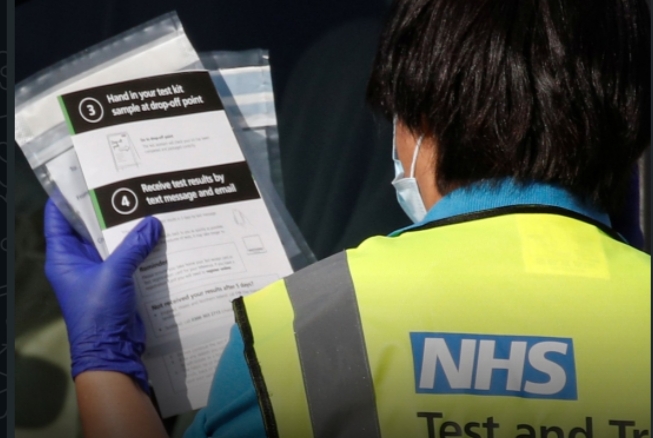
The inquiry’s seventh report, released on Thursday, found that inadequate testing capacity, delayed contact tracing and insufficient support for people who needed to self-isolate left authorities without a clear picture of the outbreak during its critical early stages.
Inquiry chair Baroness Heather Hallett said the country was unprepared despite having conducted pandemic simulation exercises before 2020. She noted that Britain had developed an accurate Covid test in January that year but abandoned widespread community testing in March because its laboratory capacity could not meet demand.
The report also identified weaknesses in the contact tracing system, financial assistance for people required to isolate, public health communication and international border controls. It noted that widespread contact tracing was not established until the summer of 2020, by which time the virus had already spread extensively.
On border restrictions, the inquiry found that Britain lacked a clear early strategy, while 93 per cent of countries had introduced measures such as flight suspensions and travel restrictions by April 2020. The UK did not introduce additional border controls until June, relying initially on a 14-day self-isolation requirement for travellers from high-risk areas.
Hallett also criticised the delay in providing financial assistance to people who needed to isolate, noting that England introduced £500 support payments for eligible low-income residents in September 2020, followed by Scotland and Wales in October and November. She said inadequate preparation contributed to the use of more restrictive measures, including lockdowns and school closures, BBC News reported.