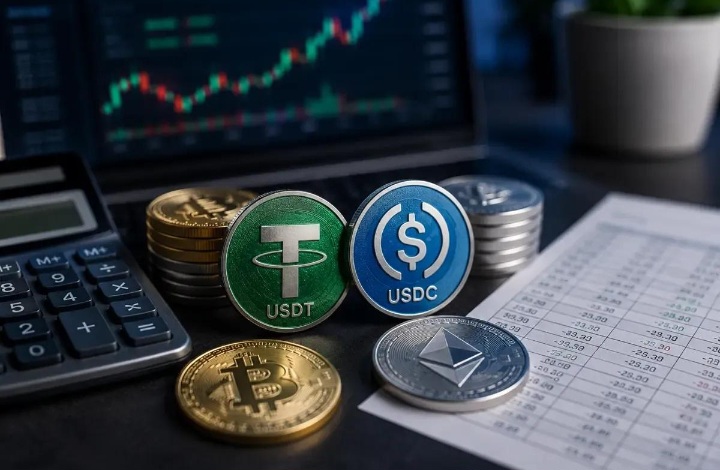
Africa’s cryptocurrency market is experiencing a shift towards payment-oriented digital assets, with dollar-backed stablecoins gaining prominence as individuals and businesses increasingly use cryptocurrencies for international transfers and commercial transactions.
The changing landscape comes as African countries continue to record strong grassroots adoption of digital assets. Channels Television reported that Nigeria ranked first globally in domestic peer-to-peer cryptocurrency activity and cross-border flows in the September 2026 Chainalysis Global Crypto Adoption Index, placing third overall among 117 countries assessed.
The growing activity extends beyond Bitcoin trading, as stablecoins increasingly serve users seeking alternatives for receiving overseas payments, transferring funds and settling transactions without direct exposure to the sharp price movements associated with conventional cryptocurrencies.
Chainalysis data showed that stablecoins accounted for approximately 43 per cent of cryptocurrency transaction volume across sub-Saharan Africa. The region also received more than $205 billion in on-chain value between July 2024 and June 2025, representing a 52 per cent increase from the preceding 12-month period.
In Nigeria, fluctuations in the naira have added another dimension to cryptocurrency transactions, as changes in Bitcoin’s dollar value and the local exchange rate can jointly affect the amount users pay or receive. Transaction fees, exchange rates and withdrawal charges therefore remain important considerations when converting digital assets into local currency.
Regulatory changes are also influencing the sector’s development. Ghana has introduced legislation covering virtual-asset service providers and established a regulatory sandbox for businesses testing services such as cryptocurrency exchanges and brokerage platforms.
While stablecoins are designed to maintain a relatively stable value against currencies such as the US dollar, they remain exposed to issuer, redemption and regulatory risks. Bitcoin, on the other hand, is subject to significant market fluctuations, leaving users to weigh price exposure against the need for more predictable digital payments.