
TV Presenter Faces Death Sentence As Egypt Cracks Down On Major Drug Trafficking Gang
An Egyptian court has sentenced television presenter Sarah Khalifa and 11 other defendants to death by hanging over their alleged involvement in a major drug trafficking operation in which more than 750kg of narcotics and drug-making materials were seized.
The verdict places the 39-year-old media personality at the centre of a criminal case involving alleged drug production, trafficking and possession of illegal firearms and ammunition. Khalifa, however, has consistently denied the allegations against her.
The prosecution’s case was built around evidence presented during the trial, including electronic communications, video clips and testimony from 20 witnesses. Authorities alleged that Khalifa and her co-defendants belonged to a criminal gang involved in importing materials for the manufacture of drugs for commercial distribution.
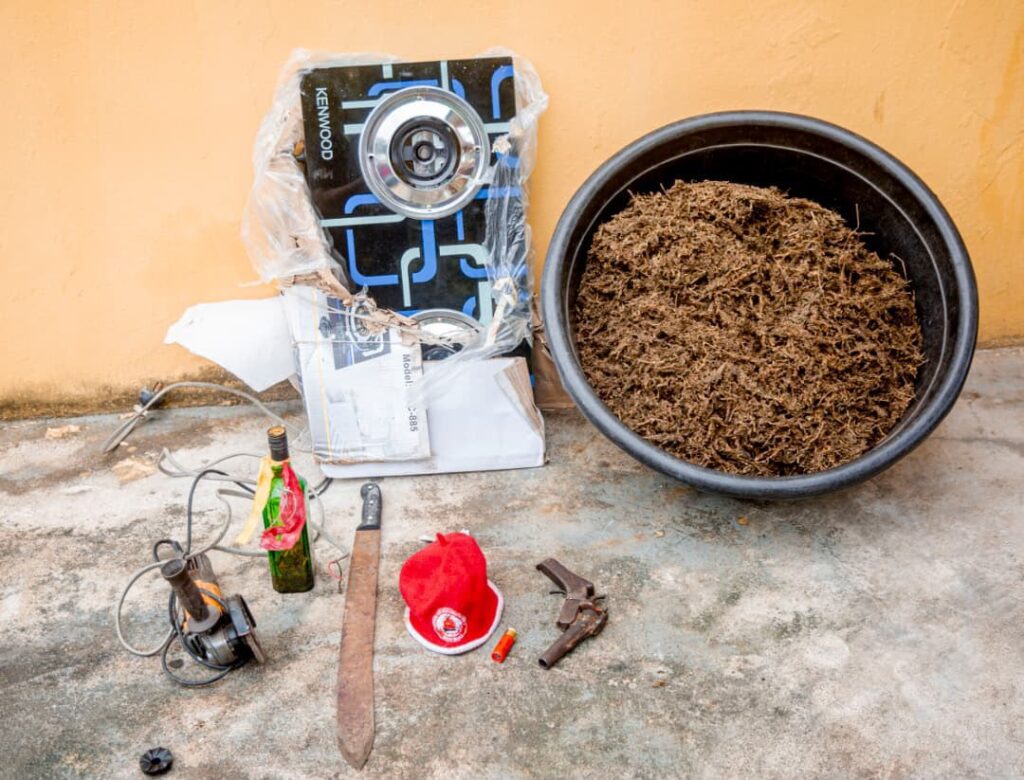
The scale of the seizure emerged as one of the major elements of the case, with investigators recovering more than 750kg of narcotics and raw materials allegedly intended for drug production.
Khalifa’s defence has challenged the allegations, with the presenter reportedly telling a judge that she had never seen drugs before her arrest and that the only occasion she was photographed with narcotics was inside the offices of Egypt’s anti-narcotics authority.
The death sentences were initially announced last month but could not be formally confirmed until Egypt’s Grand Mufti issued a religious opinion, a procedural requirement in capital punishment cases.
Khalifa is widely known in Egypt for her television programme, Mission Impossible, which focused on crime-related issues. Her prominence has consequently drawn considerable attention to a case that otherwise centres on a large-scale organised drug trafficking allegation.
Her lawyer has indicated that the defence will appeal the death sentence, leaving the case open to further judicial review.
The court also handed down life imprisonment to nine other defendants, while seven accused persons were acquitted, underscoring the differing outcomes reached after the examination of the evidence against the defendants.
The verdict comes amid continuing international scrutiny of Egypt’s use of capital punishment. Amnesty International reported that Egypt recorded 492 death sentences in 2025, while 23 executions were carried out during the year.
The rights organisation also raised concern over the use of the death penalty in some cases involving offences that did not constitute intentional killing.
For Khalifa and the other defendants sentenced to death, however, the immediate focus is expected to shift to the appeal process as their lawyers challenge the convictions and seek to overturn the capital punishment ruling.