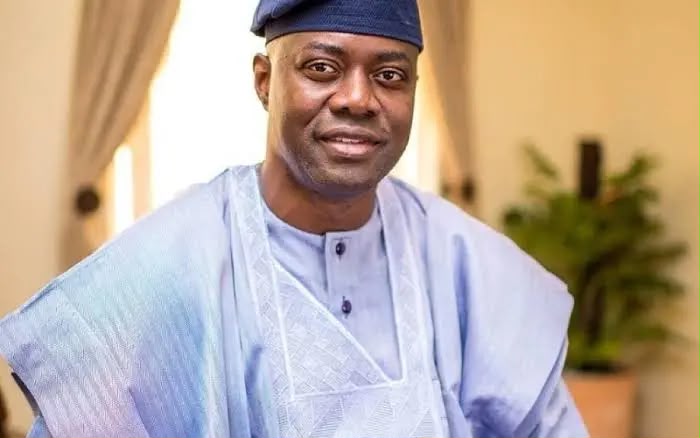
The question of how to bring down petrol prices without reviving the discontinued subsidy regime is emerging as a major economic issue ahead of the 2027 presidential election, with Allied Peoples Movement (APM) candidate and Oyo State Governor, Seyi Makinde, offering domestic crude pricing as an alternative.
Makinde unveiled the position on Monday in Abuja while commissioning the APM presidential campaign office, insisting that his proposal should not be mistaken for an attempt to restore the former subsidy system.
Instead, he argued that crude oil produced in Nigeria and supplied to domestic refineries should be priced differently, taking into account the country’s status as an oil-producing nation. He believes such an arrangement could reduce the cost of refined petroleum products available to Nigerian consumers.
The proposal comes three years after President Bola Tinubu removed fuel subsidy on May 29, 2023, shortly after assuming office. The decision triggered a steep rise in petrol prices and intensified pressure on household incomes and businesses, even as the Federal Government has maintained that the reform has produced important economic gains.
Fuel pricing has consequently remained a politically sensitive issue, with competing presidential contenders beginning to put forward different solutions as the 2027 contest approaches.
Former Vice-President Atiku Abubakar, who campaigned in 2023 on a promise to eventually remove subsidy, has since changed position and pledged to restore the regime if elected president, arguing that such a measure would cushion the hardship associated with its removal.
Atiku’s latest position has generated divergent reactions, further intensifying the emerging debate over whether Nigeria should return to subsidising petrol or pursue alternative mechanisms for reducing prices.
Against that backdrop, Makinde’s proposal places domestic crude pricing at the centre of his answer to the fuel affordability crisis, setting up a potentially significant policy contrast as presidential contenders seek to convince Nigerians of how they would manage the country’s oil resources and reduce pressure on consumers.