
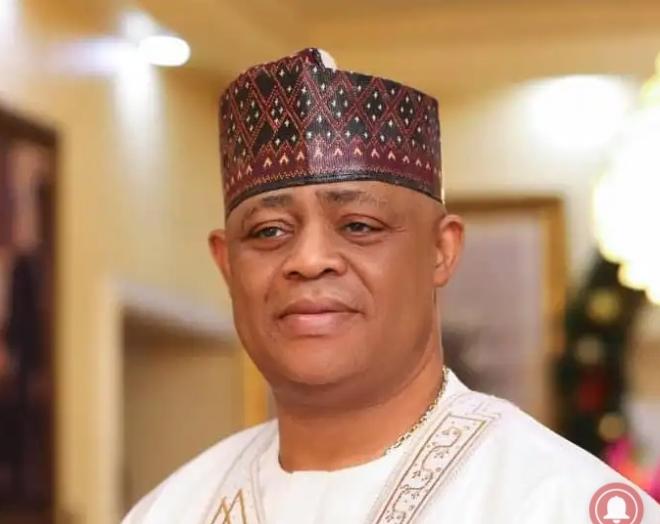
Nigeria’s High Commissioner to South Africa, Femi Fani-Kayode, has dismissed reports claiming that the Federal Government recalled or reprimanded him over his recent diplomatic activities, insisting that the allegations circulating on social media are false.
Rather than being a disciplinary visit, Fani-Kayode explained that his trip to Abuja was part of routine consultations with the Ministry of Foreign Affairs, during which he submitted reports on developments in South Africa and received further diplomatic instructions.
He maintained that his discussions with government officials were cordial, adding that there was no disagreement between him and the Federal Government or any form of reprimand from South African authorities.
The former Minister of Aviation, however, used the opportunity to draw attention to the growing concerns surrounding the safety of Nigerians living in South Africa.
He identified unresolved cases involving the deaths of Nigerian citizens, alleged misconduct by some South African security operatives and persistent anti-Nigerian sentiments as issues requiring urgent attention from both governments.
According to him, at least 12 Nigerians have lost their lives in South Africa in 2026 amid anti-migrant demonstrations, alleged police brutality and attacks linked to Afrophobia.
Fani-Kayode warned against the practice of portraying Nigerians in South Africa as criminals, arguing that the actions of a few individuals should not be used to judge an entire community.
He pointed out that thousands of Nigerians living in the country were professionals, business owners and other law-abiding citizens making meaningful contributions to South African society.
He also stressed that maintaining a good relationship with Pretoria should not prevent Nigeria from speaking out whenever its citizens are mistreated or their rights are violated.
The ambassador described the relationship between Nigeria and South Africa as vital to Africa’s economic growth, political stability and regional development, warning that tensions between the two countries could have wider consequences for the continent.
He called for sustained dialogue, mutual respect and stronger cooperation to address existing disagreements while encouraging Nigerian business owners and investors in South Africa to remain committed to their investments.
Fani-Kayode also praised Nigerian community organisations in South Africa for helping citizens draw attention to their challenges and defend their interests.
Reaffirming his commitment to the assignment, he said protecting Nigerians abroad and defending the country’s reputation would remain central to his responsibilities.
He further criticised the spread of unverified information on social media, accusing some individuals of using misleading reports to create unnecessary controversy around Nigeria’s diplomatic affairs.