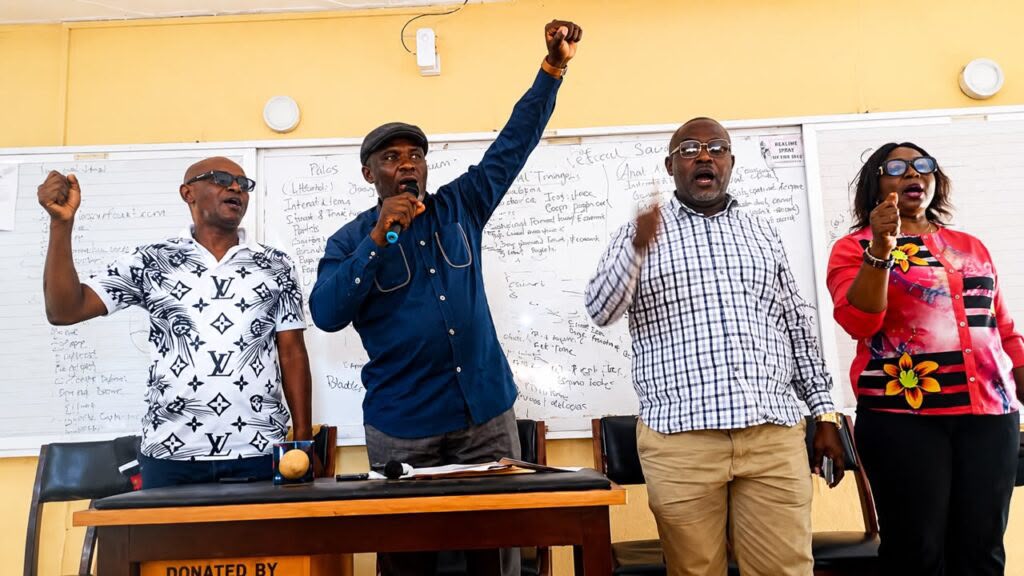
The Academic Staff Union of Universities (ASUU), Enugu State University of Science and Technology (ESUT) branch, on Monday suspended its two-week warning strike, paving the way for the immediate resumption of academic activities at the institution.
The suspension followed an intervention by the Visitor to the university and Enugu State Governor, Dr Peter Ndubuisi Mbah, which culminated in the signing of a Tripartite Memorandum of Understanding (MoU) between the state government, ESUT Management and ASUU-ESUT on August 20, 2026.
Announcing the decision at a press conference in Enugu, Chairman of ASUU-ESUT, Dr Andrew C. Apeh, said the union’s National Executive Council (NEC) had reviewed the terms of the agreement and approved the suspension of the strike with immediate effect.
Apeh said the decision was taken in line with ASUU’s principles of negotiation, collective bargaining and due process, while appealing to members to return to their duty posts and allow students to resume academic activities in earnest.
He, however, warned that the suspension was conditional on the faithful implementation of the MoU, stressing that the union would remain vigilant and establish a monitoring mechanism to ensure compliance with agreed timelines and deliverables.
Under the agreement, ESUT is to commence phased implementation of the 2025 Federal Government-ASUU agreement from September 1, 2026, and conclude it by January 23, 2027. The university’s monthly subvention will also rise by N115 million, from N161 million to N276 million, to strengthen its capacity to meet salary and welfare obligations.
Other provisions include the liquidation of Earned Academic Allowance (EAA) arrears and other outstanding staff entitlements, immediate remittance of more than N31 million in third-party deductions to ASUU-ESUT and NUPEMCO accounts, as well as the establishment of a Joint Implementation Committee chaired by the Secretary to the State Government. Apeh described Mbah’s intervention and the decision to domesticate the 2025 FGN/ASUU agreement as significant steps towards resolving ESUT’s longstanding welfare challenges.