Nigeria’s history of political violence, spanning successive governments, has left several politicians, opposition figures and ordinary supporters dead, with many of the killings still lacking conclusive investigations and successful prosecutions.
A report by Vanguard has revisited the country’s record of politically linked murders, drawing attention to the alleged assassination attempt on former Deputy Senate President Ovie Omo-Agege in Uduere community, Ughelli North Local Government Area of Delta State, on November 23, in which four people were reportedly killed and more than a dozen injured.
The killings date back to the First Republic, when Prime Minister Abubakar Tafawa Balewa, Northern Premier Ahmadu Bello and Western Premier Samuel Ladoke Akintola were among prominent figures murdered during the January 1966 coup. Former Head of State Murtala Mohammed was also assassinated in 1976.
During the military era, businessman and pro-democracy financier Alfred Rewane was murdered in October 1995, while Kudirat Abiola, who campaigned for the validation of her husband’s annulled June 12, 1993 presidential mandate, was shot dead in June 1996.
The return to civilian rule in 1999 did not end politically linked killings, as former Attorney-General of the Federation Bola Ige was murdered in December 2001, opposition politician Harry Marshall was killed in March 2003, and Lagos governorship aspirant Funsho Williams was murdered in July 2006.
Other victims included Osun lawmaker Odunayo Olagbaju, former Peoples Democratic Party national vice-chairman Aminasoari Dikibo, Ogun governorship candidate Dipo Dina and Ekiti politician Ayo Daramola.
Several investigations and court proceedings followed the killings, but prosecutions failed to establish the perpetrators in a number of the cases, leaving families and the public without conclusive answers.
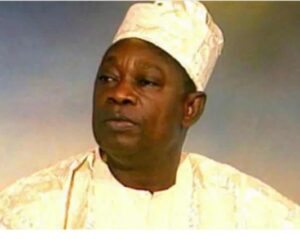
The historical record also includes the death of former presidential candidate Moshood Abiola in detention on July 7, 1998, following the annulment of the 1993 presidential election. June 12 was later recognised as Nigeria’s Democracy Day, although debates over the legacy of his political struggle have continued.
The cases have renewed concerns about accountability for political violence and the protection of those involved in Nigeria’s democratic process.