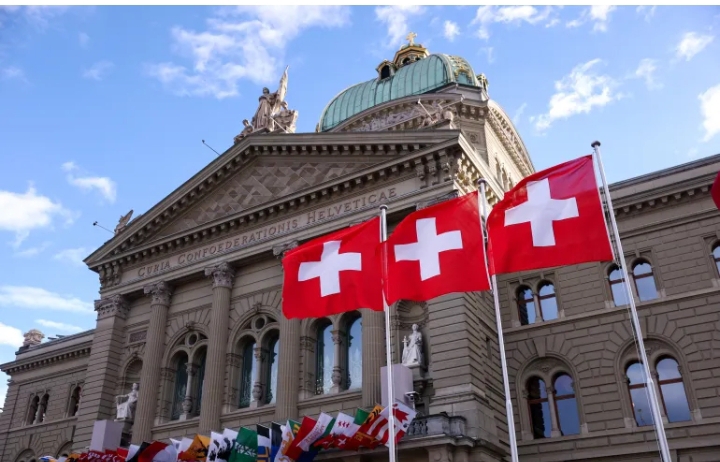
Switzerland is voting on proposed changes to its weapons export laws, with the outcome expected to shape the country’s defence industry and longstanding policy of neutrality.
The referendum, taking place on Sunday, November 29, follows growing pressure on Switzerland to reconsider its strict restrictions on military equipment sales as security concerns continue to rise across Europe.
The proposed amendments to the War Materiel Act would make it easier for Swiss defence companies to supply weapons and military equipment to 36 approved partner countries, including the United States, United Kingdom, Australia, Japan and European Union members.
Under the proposed changes, countries purchasing Swiss-made weapons would also face fewer restrictions when transferring the equipment to other nations. However, such exports would still require approval from the Swiss government, and existing legal commitments would remain in force.
Supporters of the reforms believe Switzerland’s current rules are putting its defence manufacturers at a disadvantage in the international market. They argue that the restrictions have already affected business opportunities, with Germany excluding some Swiss companies from defence contracts, while Denmark and the Netherlands have suspended certain orders.
The government has also backed the proposed changes, pointing to Russia’s invasion of Ukraine in 2022 as a major reason Europe needs to strengthen its defence arrangements.
However, the proposed relaxation has attracted strong opposition from left-wing political groups and humanitarian organisations. They fear that allowing more weapons transfers could expose Switzerland to accusations of indirectly supporting armed conflicts and human rights abuses, weakening its reputation as a neutral country.
Figures cited by the AFP news agency show that Swiss arms exports increased by 43 per cent in 2025, reaching 948.2 million Swiss francs, approximately $1.13 billion. Germany accounted for the largest share of the purchases.
Despite the proposed reforms, Switzerland’s neutrality laws would continue to prevent direct weapons supplies to Ukraine. Transfers of Swiss-made military equipment to Ukraine through other countries would also remain restricted.
The referendum comes just two months after Swiss voters overwhelmingly rejected another proposal seeking to introduce a stricter definition of neutrality into the country’s constitution. More than 70 per cent voted against that initiative.
Polling stations opened at 10am local time on Sunday and were scheduled to close at noon, with early results expected afterwards. Opinion polls released on November 18 suggested that supporters of the proposed changes had a slight advantage.
Meanwhile, voters are also considering three other national proposals covering pension financing, fireworks restrictions and changes to the taxation of married couples.
The outcome of the arms export referendum could mark an important shift in how Switzerland balances its traditional neutrality with the growing demand for stronger defence cooperation in Europe.