Stephanie Peter, Uyo
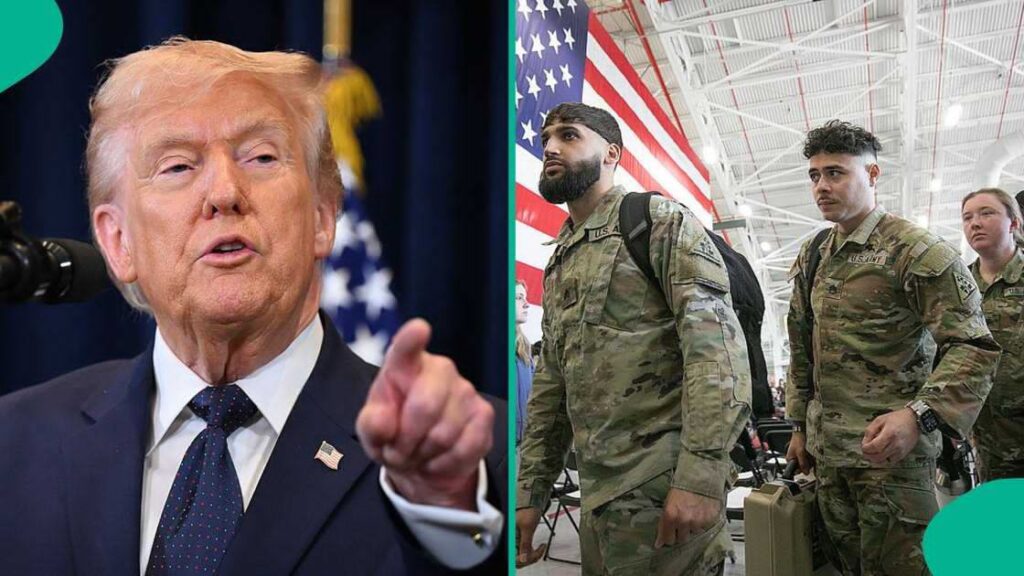
The United States has withdrawn most of its forces deployed for a joint counterterrorism operation in Nigeria’s Lake Chad Basin following the killing of a senior deputy leader of the Islamic State (ISIS).
Despite the withdrawal, the U.S. has pledged to continue supporting Nigeria through intelligence sharing and other forms of security cooperation.
This was disclosed by the Commander of U.S. Air Forces in Europe–Air Forces Africa, Gen. James B. Hecker, during a virtual press briefing on the outcome of the African Chiefs of Defence Conference 2026. He highlighted the role of U.S.-Nigeria intelligence cooperation in counterterrorism operations against the Islamic State (ISIS/Daesh).
Gen. Hecker explained that although the specific military operation has concluded and most U.S. personnel have departed Nigeria, the U.S. government remains committed to supporting the country through intelligence collaboration whenever requested by the Nigerian government.
He noted that the intelligence partnership has not only strengthened security efforts in the Lake Chad Basin but has also contributed to disrupting ISIS operations beyond the region.
The general described Nigeria as a capable security partner with a strong military, saying that the combination of Nigerian operational capabilities and U.S. intelligence support led to the successful operation against the ISIS deputy leader. He added that the achievement demonstrates the effectiveness of intelligence cooperation rather than prolonged foreign military deployments.
He also called for stronger intelligence sharing and closer security partnerships among African countries, noting that such collaboration recently helped intercept a 31-tonne shipment of cocaine originating from South America and transiting through the West African coast.