The trade dispute between the United States and Canada has entered a new phase, with Washington moving from imposing tariffs to shutting selected Canadian products completely out of the American market.
The latest restrictions took effect at 12:01 a.m. Tuesday, targeting a range of Canadian goods including dairy products, alcoholic beverages and motorcycles, in another sign of the rapidly deteriorating trade relationship between the two North American neighbours.
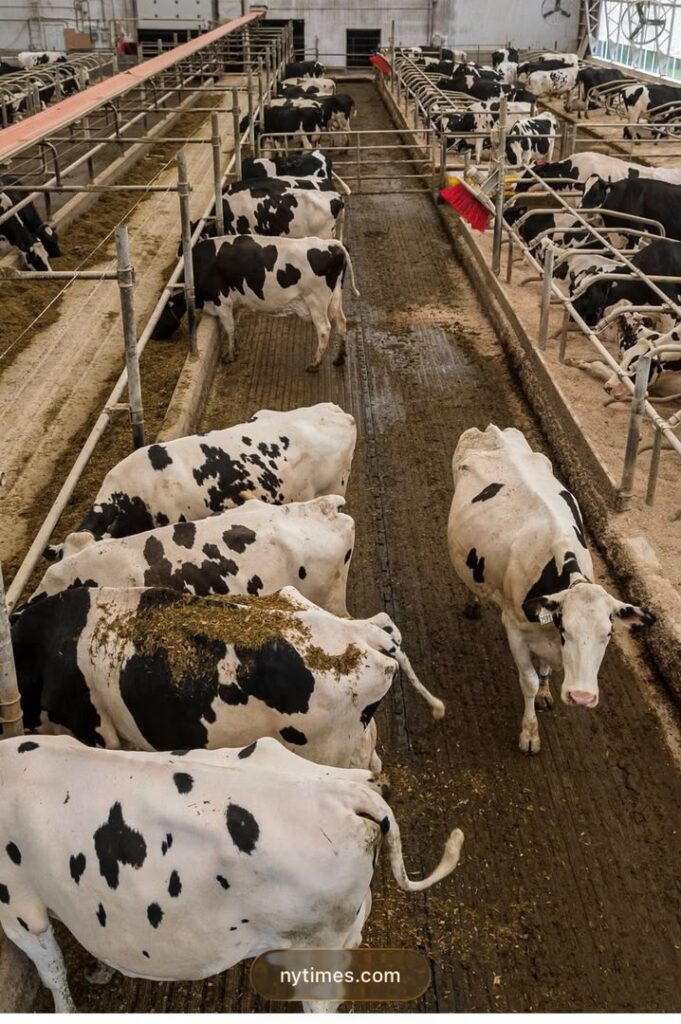
Among the products facing what U.S. Customs and Border Protection described as unconditional rejection are whey protein, molasses, non-alcoholic beer, wine, vermouth and various types of liquor.
The move follows the Trump administration’s earlier decision to impose 50 per cent tariffs on about five per cent of Canadian goods, prompting Canadian Prime Minister Mark Carney’s government to retaliate with tariffs of its own on selected American imports.
Although the latest ban covers only a small portion of Canada’s exports to the United States, its significance extends beyond the immediate commercial value of the affected goods.
Stephen Brown, chief North American economist at Capital Economics, estimated that the banned products account for only about 0.25 per cent of Canadian exports to the United States. He nevertheless warned that the development raises fresh questions about whether Washington and Ottawa can resolve their wider trade dispute.
The escalation also comes at a sensitive time for negotiations surrounding the United States-Mexico-Canada Agreement, the trade framework linking the three economies.
While Washington and Mexico have already held several rounds of discussions on the agreement, negotiations between the United States and Canada have progressed more slowly.
The new restrictions could therefore add another layer of uncertainty to a trading relationship that has traditionally been among the world’s most integrated.
The New York Times reported that the latest measures affect only a tiny fraction of Canada’s overall exports to the United States, but described the action as another indication of how significantly relations between the two longstanding economic and political allies have deteriorated.