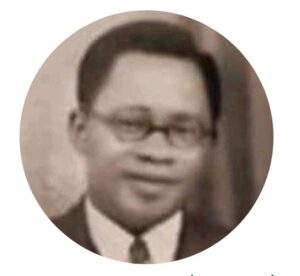
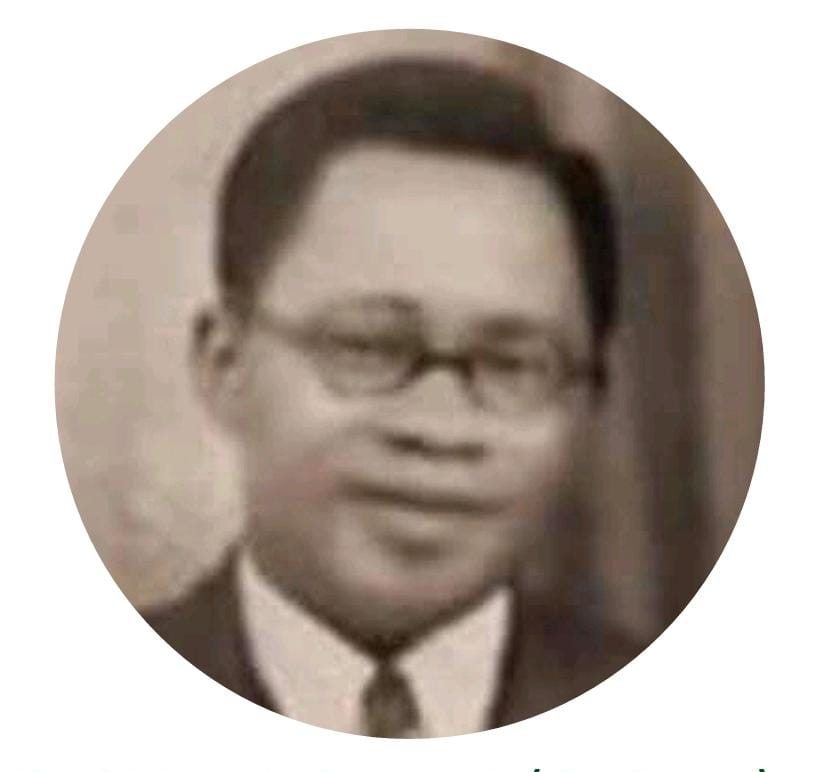
Chief Oyokunyi Otu Ita, popularly known as Barrister O.O. Ita was a lawyer, parliamentarian, nationalist, community leader and uncompromising advocate of minority rights.
He emerged in the formative years of Nigerian nationalism as one of the most prominent political voices of the people of Oron and the minorities of the old Eastern Region.
For more than a decade, particularly between 1951 and 1960, he occupied a central place in the political life of Eastern minorities.
Historical accounts describe him as the most conspicuous and effective spokesman for Oron causes during that period, distinguished by his force of character, commitment to public morality and determination to defend the interests of minority communities.
Born on November 11, 1916, Ita, from present day Udung Uko Local Government Area, was educated at the Methodist Boys High School, Oron, Hope Waddell Training Institution, Calabar, Government College , Umuahia and Kings College, Lagos.
His early working life included teaching and service in the Printing Department of the colonial administration before he was sponsored by the Oron Union in the 1940s to study law in Britain.
He read Law in the London School of Economics and was called to the Bar at Gray’s Inn.
He returned to Nigeria in 1948, armed with a legal education and a conviction that his training should be placed at the service of his people.
The political arena soon became his principal platform.In the first general election to the Eastern House of Assembly in 1951, Ita contested as an independent candidate and won.
He subsequently became a prominent member of the opposition in the Eastern legislature, working at different times with the National Independence Party, the United National Independence Party and, from 1954, the Action Group.
But his politics was larger than partisan competition.At the heart of Ita’s public life was the question of the political rights, welfare and future of the minorities of Eastern Nigeria. He believed that the smaller ethnic communities required political structures that would protect their interests and provide them with a meaningful voice in government.
His legal training also found practical expression in his service to ordinary people. He used his legal knowledge to assist members of the public, sometimes without charging a fee. His willingness to intervene on behalf of ordinary people contributed greatly to his popularity among the people.
He was equally passionate about education.After returning from Britain, Ita travelled through Oron communities delivering educational lectures and encouraging parents to make sacrifices for the education of their children. His philosophy was that the strength of a nation depended not simply on material resources but on the quality of its educated and morally grounded citizens.
But it was the struggle for the political reorganisation of the Eastern Region that would define his place in history.
When the agitation for the creation of a Calabar-Ogoja-Rivers State gathered momentum, Ita became one of its principal architects and advocates. The COR State Movement sought to bring together the minority areas of the Eastern Region into a separate state, reflecting the long-standing concerns of the minorities over political representation and domination.
Ita did not just support the movement from the sidelines.He became one of its leading figures and served as its National Treasurer, helping to organise and sustain one of the most important minority-rights movements in Nigeria’s late colonial history.
His involvement in the COR struggle was deep and personal.Following discussions among prominent minority leaders including Dr. Egbert Udo Udoma and Dr. Okoi Arikpo, Ita firmly committed himself to the COR cause. He subsequently participated in meetings that helped transform the idea of a separate political entity into an organised movement.
Alongside figures such as Udoma, Arikpo, Eyo Ita and others, he became part of the leadership that carried the demand for COR State to the wider Nigerian and international arena.
He was also among the representatives who presented the minority position at the 1957 Constitutional Conference in London. The COR delegation used the conference to articulate the political concerns of the minorities and to seek constitutional safeguards for their communities. Ita later travelled to Britain as part of the campaign to explain the minority position to the British public.
The struggle eventually contributed to the wider constitutional debate that produced the Willink Commission, which was established in 1957 to investigate the fears of minorities in Nigeria and recommend safeguards where necessary. Ita and other COR leaders continued to present their case before the commission and at subsequent constitutional discussions.
Although the immediate demand for a COR State was not achieved before Nigeria’s independence in 1960, Ita remained convinced that the question of state creation could not simply disappear.
He continued to advocate the creation of states as a means of reducing ethnic domination and strengthening national unity. His political career, according to historical accounts, continued until his retirement from active politics in 1962.
Ita, therefore, was part of a generation of Nigerian leaders who confronted the difficult questions surrounding minority rights, constitutional representation, regional power and the structure of the emerging Nigerian state.
For the people of Oro, he was much more than a parliamentarian or lawyer. He was a spokesman who took their aspirations into the legislative chambers of Eastern Nigeria, the constitutional conferences of London and the wider national debate.
His political philosophy was rooted in service, education, justice and the protection of minority interests. His legal career gave him the tools; the confidence of his people gave him the platform; and the minority question gave his public life its defining purpose.
Ita died on April 17, 1967, shortly before the states he fought for, South Eastern and Rivers State, were created, leaving behind a record that remains woven into the history of Oron, Akwa Ibom and the wider struggle for political restructuring in Nigeria.
He also left behind children, including one of the state’s intellectual giants in politics, Arc. Otu Ita Toyo, popularly known as Total Chair.
For Akwa Ibom, O.O. Ita remains a HERO, one of the distinguished pioneers of a generation that refused to accept that minority status should mean political silence.
#AkwaIbom@39
#IbomLeadingLights
#CelebratingOurHeroesOurPrides
#39Heroes39Prides
#HeroOOIta
#The39thAnniversaryCollectives
#AkwaIbomStateMinistryOfInformation
#AriseAgenda