Idongesit Mishael, Lagos
The first batch of Nigerians evacuated from South Africa following renewed xenophobic attacks has begun receiving financial and social support packages from government agencies and private organisations, as efforts shift from evacuation to reintegration of affected citizens.
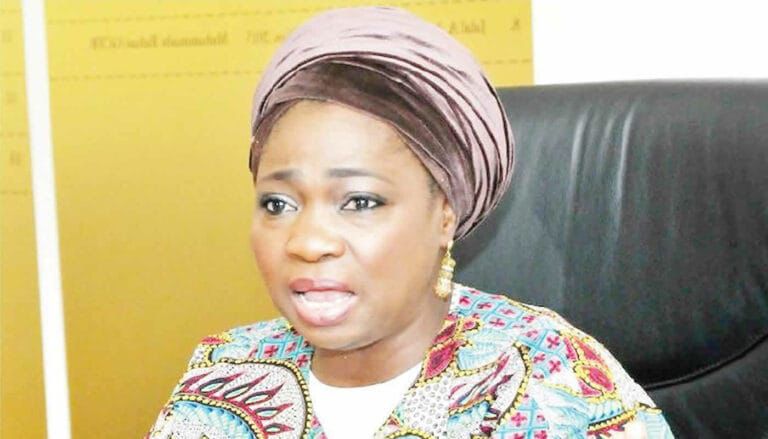
Chairman/Chief Executive Officer of the Nigerians in Diaspora Commission (NiDCOM), Mrs. Abike Dabiri-Erewa, disclosed on Thursday that the 262 returnees who arrived in Lagos were met with a range of interventions designed to ease their transition back into Nigerian society.
The support package includes N100,000 cash grants for each returnee from telecommunications giant MTN, alongside N50,000 airtime and starter packs intended to help them reconnect with family members and rebuild their lives after their abrupt departure from South Africa.
In what appears to be one of the most significant individual interventions so far, Governor Hope Uzodimma of Imo State approved a N1 million grant for each Imo indigene among the returnees, a move that has drawn commendation from stakeholders involved in the evacuation process.
Speaking on Channels Television, Dabiri-Erewa said the returnees were victims of circumstances beyond their control and should not be stigmatized upon their return.
“None of them committed any crime. The only crime they committed is the colour of their skin. They are migrants in South Africa,” she said.
According to her, the Federal Government is determined not only to bring stranded Nigerians home but also to provide pathways for their economic and social reintegration.
Beyond the direct cash interventions, the National Emergency Management Agency (NEMA) provided transportation assistance to enable the returnees reach their various destinations, while a private real estate company also contributed financial support to cushion the immediate impact of their displacement.
Officials of the National Identity Management Commission (NIMC) were equally mobilised to assist returnees with identity documentation, a step considered crucial to accessing government services, employment opportunities and financial inclusion programmes.
Dabiri-Erewa said the government would continue engaging the returnees to identify their professional backgrounds, vocational skills and business interests with a view to linking them to available empowerment and livelihood opportunities.
She urged state governments across the federation to emulate the Imo State intervention by identifying and supporting their indigenes among the returnees.
The NiDCOM boss noted that while the evacuation exercise was a humanitarian response to a difficult situation, long-term reintegration would require collaboration among federal and state governments, development agencies and the private sector.
The latest evacuation followed a fresh wave of xenophobic attacks in South Africa that triggered fears among migrant communities and prompted hundreds of Nigerians to seek assistance from the Nigerian High Commission to return home voluntarily.
With more than 1,000 Nigerians already registered for repatriation, Dabiri-Erewa disclosed that a second batch of evacuees is expected to depart South Africa on June 15, as authorities continue efforts to bring home citizens affected by the unrest and provide them with the support needed to rebuild their lives.