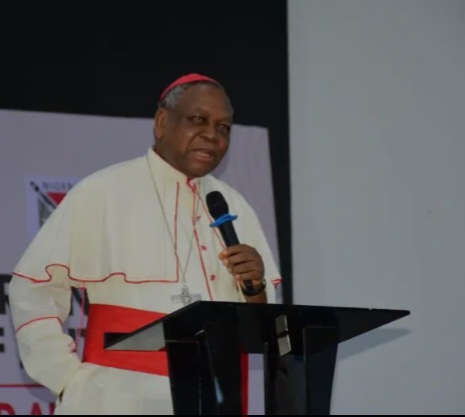
Cardinal John Onaiyekan, Archbishop Emeritus of Abuja, has called for a change to Nigeria’s presidential electoral system, proposing that no candidate should be declared winner without securing at least 50 per cent of votes cast.
Onaiyekan made the proposal while delivering the keynote address at the All Nigeria Editors Conference of the Nigerian Guild of Editors in Enugu, according to a report by The Sun.
He said a second round should be held between the two leading candidates whenever no presidential contender achieves the required threshold in the first ballot.
“For the presidential election, we should insist on at least 50% of all votes cast before declaring any victory. In the absence of 50% at the first vote, a second vote should be called among the first two highest scorers to determine the winner,” he said.
Onaiyekan also called for reforms to the appointment of the chairman and national commissioners of the Independent National Electoral Commission, arguing that the electoral body should be sufficiently independent of political authorities who participate in elections.
He proposed a special tribunal arrangement under which major election disputes would be resolved before elected officials assume office. He also argued that voters, and not only candidates, should have the legal right to challenge election results where they believe their votes were improperly accounted for.
The Cardinal further advocated independent candidacy, particularly at the grassroots, and urged that lawmakers who cross to another political party after being elected should return to their constituencies to seek fresh mandates.
His proposals came as speakers at the conference raised concerns about the integrity of information ahead of the 2027 general elections, particularly the growing use of artificial intelligence to produce convincing fake audio, videos and images.
INEC Chairman, Prof. Joash Amupitan, warned that the spread of manipulated content could affect voters’ understanding of the electoral process and undermine public confidence in elections.
Onaiyekan urged the media to respond to these challenges by maintaining professional independence and reporting accurately, stressing that a free press remained essential to democracy.
The conference, themed “The Ballot, the Media and the Task of Keeping Democracy Alive,” focused on the responsibilities of the media and other democratic institutions as Nigeria prepares for another general election.