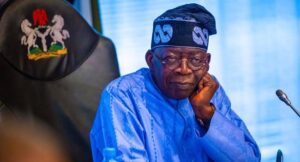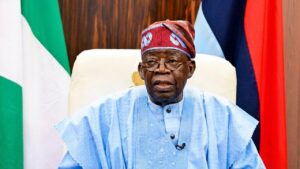
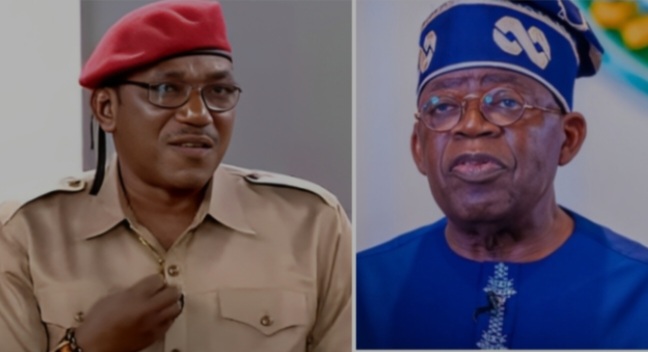
Former Minister of Youth and Sports, Solomon Dalung, has criticised President Bola Tinubu’s Independence Day address, saying it failed to adequately address the pressing challenges confronting Nigerians.
Dalung argued that the speech did not sufficiently show how the administration’s economic reforms have translated into improved living conditions, particularly amid concerns over food prices, unemployment, insecurity, poverty and declining purchasing power.
Speaking on Channels Television’s The Morning Brief on Thursday, the former minister described the address as “rhetorical, wishful, ambitious” and “disappointing and empty”, insisting that Nigerians deserved a clearer account of the administration’s achievements since taking office in 2023.
He questioned the significance of economic growth figures when they are not reflected in the daily experiences of citizens, particularly in transportation costs and their ability to afford basic necessities.
Dalung said the President should have used the anniversary address to present concrete results from the reforms and explain how the country had progressed from the challenges inherited by the administration.
He also rejected the repeated appeal for patience, taking particular issue with Tinubu’s comparison of Nigeria’s economic condition to a cancer patient undergoing painful treatment. According to Dalung, Nigerians have continued to hear assurances that the reforms will eventually produce results.
The former minister further criticised the President for what he described as insufficient attention to insecurity, particularly in Plateau State. He said the frequency of attacks and mass burials in the state had reached a level where “we are at war.”
Dalung, who served under former President Muhammadu Buhari, said an Independence Day address should resonate with citizens by addressing their immediate realities and demonstrating tangible improvements in their lives.
Recalling his own experience as a student, he said government support at the time – including educational materials, feeding, accommodation and transportation gave young Nigerians a direct sense of how public policies could improve their lives.