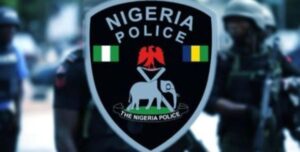
The Nigeria Police Force has launched a firearms-tracing training programme involving officers from 12 African countries, with preventing election-related violence among the security concerns highlighted ahead of Nigeria’s 2027 general elections.
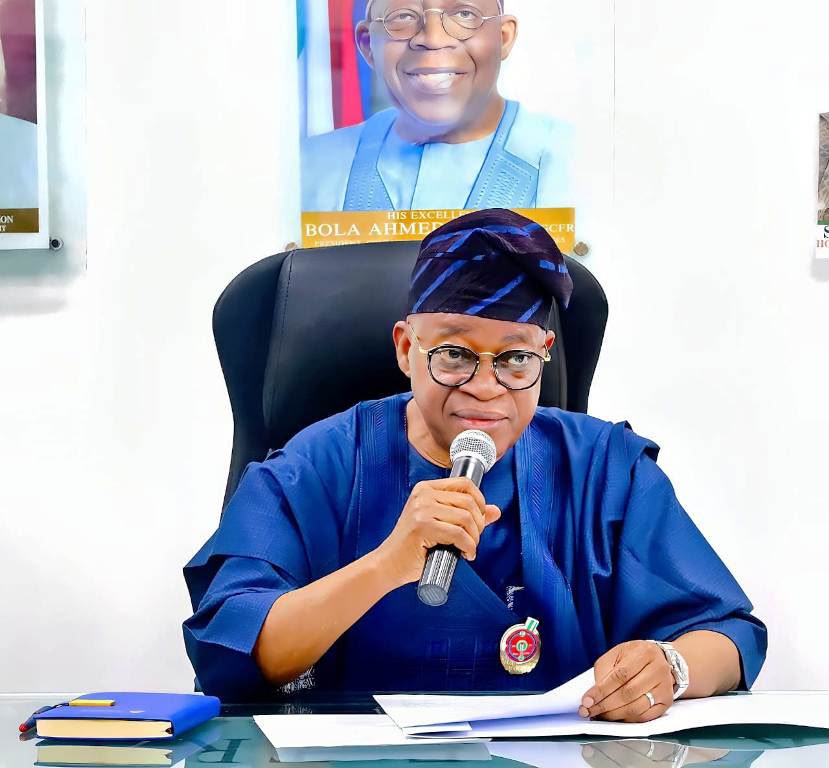
Inspector-General of Police Olatunji Disu opened the five-day programme in Abuja on Monday, October 12, with the exercise scheduled to run until October 16, 2026, according to SaharaReporters.
The participating countries are Nigeria, Chad, the Central African Republic, Mali, Algeria, Côte d’Ivoire, Burkina Faso, Cameroon, Niger, Libya, Benin and the Republic of the Congo.
The training covers the identification and tracing of small arms, light weapons and ammunition. Force Public Relations Officer CSP Ani Iniedu said participants would undergo technical instruction and practical simulations at the Nigeria Police Simulation Centre.
Disu said effective firearms tracing could help investigators identify the origins of illegal weapons, uncover trafficking routes and establish the individuals financing their distribution. He linked the proliferation of illicit arms to security challenges including terrorism, banditry, kidnapping and organised crime.
The police chief also highlighted the importance of restricting access to illegal weapons ahead of the 2027 elections, noting that firearms could be used to intimidate voters and electoral personnel or fuel electoral violence.
He called on African law-enforcement agencies to strengthen intelligence sharing and coordinate investigations into criminal networks operating across national borders. He also emphasised the need to use established legal channels to pursue suspects across jurisdictions.
The police said skills acquired during the programme would be shared with officers in commands and formations across Nigeria to improve their ability to identify and trace recovered firearms.
Disu further disclosed that police chiefs from West and East African countries were expected to meet to discuss common security challenges and explore coordinated responses to transnational crime.
The programme is supported by the African Union Mechanism for Police Cooperation (AFRIPOL), the Bonn International Centre for Conflict Studies (BICC), INTERPOL, relevant African Union entities and experts from the German Armed Forces Verification Centre.
The IGP urged participants to apply the knowledge gained in their respective countries and sustain professional cooperation in tackling illicit arms trafficking.