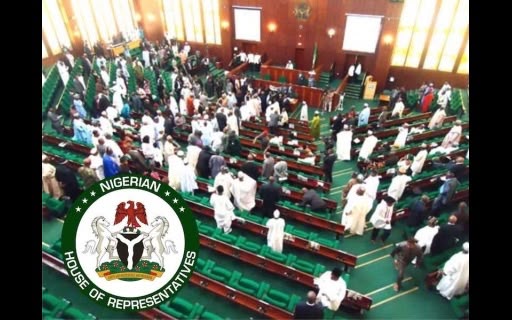
The House of Representatives has threatened to issue arrest summons against chief executives of telecommunications companies that fail to appear before its investigative committee over persistent network failures affecting subscribers and businesses nationwide.
The lawmakers gave MTN Nigeria, Airtel, Globacom and Mafab Communications seven days to explain the recurring service disruptions, directing the operators to appear before the House committee in Abuja on October 28.
The ultimatum followed the failure of some operators, including MTN and Mafab Communications, to honour earlier invitations by the Ad Hoc Committee investigating the quality of telecommunications services.
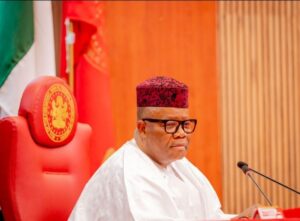
At a public hearing on Wednesday, the committee, chaired by Olumide Osoba, directed the Nigerian Communications Commission (NCC) to ensure that the affected companies comply with the summons and submit relevant documents ahead of the appearance.
The operators are expected to appear at 2pm in Hearing Room 447 of the New Building of the National Assembly Complex, Abuja.
The committee’s action followed the adoption of two motions sponsored by lawmakers Sunday Umeha and Afam Ogene, amid growing concerns over the impact of unreliable telecommunications services on economic activities.
Osoba said the increasing dependence of businesses, financial transactions and essential services on telecommunications networks had elevated the problem beyond routine customer complaints to an issue of national concern.
He noted that telecommunications services now support critical commercial activities, including Point of Sale transactions, making persistent network disruptions a source of potential losses for businesses and inconvenience for millions of subscribers.
The chairman said the committee was established to investigate recurring complaints about service quality, determine the factors responsible for the failures and establish what operators were doing to address them.
He criticised telecommunications executives who, according to him, had failed to engage directly with the lawmakers, either by offering excuses for their absence or sending lower-ranking officials in their place.
Osoba insisted that the chief executives must personally account for their companies’ performance, arguing that they were best positioned to explain operational difficulties, service delivery obligations and plans to resolve subscribers’ complaints.
The committee warned that failure to honour the October 28 invitation could attract an arrest summons to compel the executives to appear.
Also speaking, a member of the committee, Ibe Osonwa, representing Abia State, faulted the operators for allegedly disregarding legislative invitations despite the significant revenue they generate from the Nigerian market.
Osonwa maintained that companies operating and benefiting from Nigeria’s telecommunications market had a responsibility to account for the quality of services delivered to their customers, particularly when the investigation concerned millions of users and businesses.
He warned that the House would not overlook attempts to frustrate its investigation into the recurring network problems.
The NCC was subsequently directed to ensure compliance and facilitate the submission of the required documents and explanations by the operators.
Subscribers across the country have continued to report dropped calls, unstable internet connections, slow data speeds and inadequate network coverage. The disruptions have also affected business transactions, online services and productivity, with unreliable connections sometimes resulting in lost revenue and wasted time.
At the October 28 hearing, the committee is expected to question the operators on the causes of the recurring failures, their investments in telecommunications infrastructure, the measures being taken to improve service delivery and their compliance with obligations to subscribers.
The probe follows earlier legislative criticism of the NCC. In May, the House faulted the commission over what lawmakers described as weak regulatory oversight, arguing that it had failed to ensure reliable services from telecommunications operators.
The forthcoming hearing is expected to give the companies an opportunity to explain their operational challenges and outline specific measures for improving network performance.