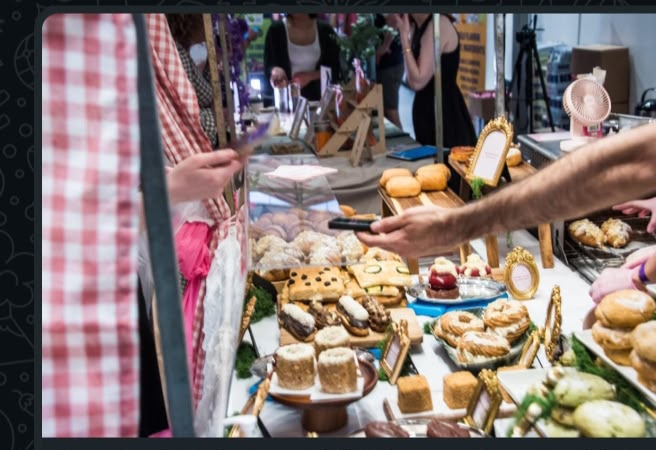
People with medical conditions that require them to avoid gluten are being priced out of safe food options because gluten-free products cost significantly more than ordinary food, a bakery owner has said.
Keri Lijinsky, founder of Sweet Crimes Gluten-Free Bakery & Test Kitchen, said people with celiac disease and other gluten-related conditions should not have to pay more simply to eat food that does not harm their health.
In an opinion article published by Newsweek, Lijinsky said the growing popularity of gluten-free diets as a lifestyle choice had made many people overlook the fact that, for some, avoiding gluten is a medical necessity.
She cited a 2025 study published in The Journal of Allergy and Clinical Immunology, which found that gluten-free bread cost an average of 52 cents per ounce, compared with 20 cents for regular bread.
The study examined prices on five grocery-store websites in the American Midwest.
Lijinsky said the price difference could make it difficult for people who need gluten-free food to afford it, forcing some to eat food that could harm their health or go without suitable alternatives.
She noted that celiac disease affects about one per cent of Americans, while many others may have food sensitivities that have not been properly diagnosed.
She said the number of people who need gluten-free food was therefore likely to be higher than commonly recognised.
The problem, according to her, also affects people who want to eat out with family and friends but cannot find restaurants that provide safe and good-quality gluten-free meals.
She warned that restaurants with poor gluten-free options could lose customers because people with special dietary needs often choose where to eat based on whether the entire group can find suitable meals.
Although she acknowledged that gluten-free ingredients can be more expensive and require extra care during preparation, Lijinsky said restaurants could attract more customers by taking the needs of such diners seriously.
She urged hospitality businesses to include gluten-free meals in their regular menus instead of treating them as special requests.
She also called on restaurants to provide separate preparation areas or equipment where necessary to prevent gluten from coming into contact with meals meant for people who cannot tolerate it.
On government support, Lijinsky cited Italy as an example of a country where people with celiac disease receive financial assistance to help cover the cost of gluten-free food.
She urged United States authorities to consider similar support, including subsidies, to make medically necessary food more affordable.
According to her, better access to safe and affordable gluten-free products could improve health outcomes while allowing affected people to enjoy meals with family and friends without fear.
She stressed that the aim was not to encourage everyone to stop eating gluten, but to ensure that those who need to avoid it for medical reasons can afford safe food.
Lijinsky also encouraged consumers to ask restaurants to improve their gluten-free offerings, saying increased demand could persuade more businesses to provide better options.
The article was published by Newsweek on October 28, 2026.