Economic activity does not always follow the boundaries of ancestry or place of birth. Across Akwa Ibom State, traders, artisans, entrepreneurs and professionals from different parts of Nigeria contribute to local commerce, provide services and create employment. Their businesses form part of the state’s economic landscape, making their participation in development an important consideration in any broad-based empowerment strategy.
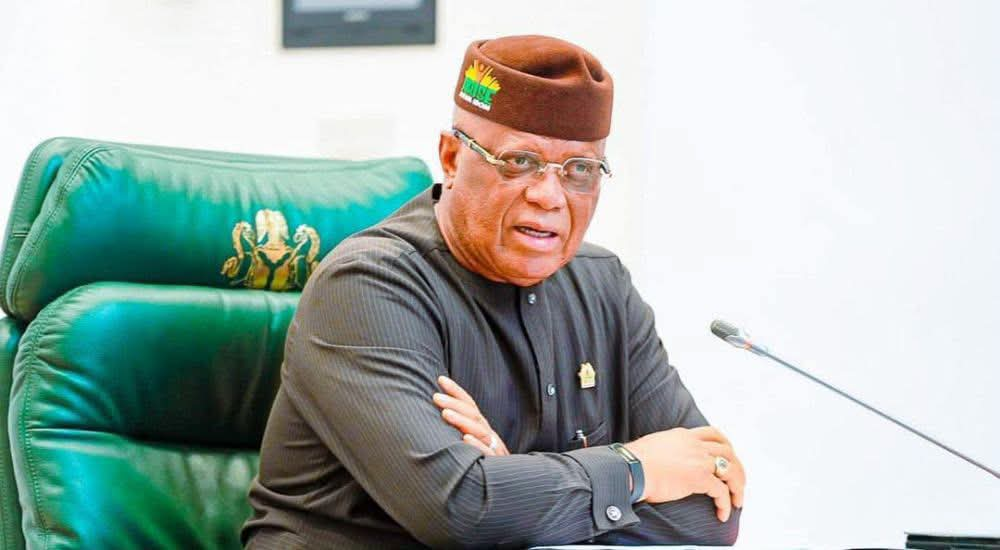
It is within this context that Governor Umo Eno’s announcement of an ₦800 million empowerment allocation for non-indigenous communities in Akwa Ibom deserves attention. The Governor announced the allocation on November 15, 2025 while addressing members of Ohanaeze Ndigbo Worldwide, Akwa Ibom State Chapter, during the Igbo Unity Day celebration at Ibom Hall Grounds, Uyo. The initiative was identified as covering non-indigenous communities, including Ndi Igbo, Arewa, Yoruba and Niger Delta groups residing in the state.
The announcement recognised a significant feature of Akwa Ibom’s social and economic life: many people born elsewhere have lived in the state for years, established businesses, raised families and become part of the communities in which they reside. Some have maintained commercial relationships across generations, while others have built enterprises that serve local consumers and employ residents. Their economic contributions make them participants in the state’s development, irrespective of their places of origin.
For small businesses, access to capital can determine whether an enterprise remains at its present level or expands its operations. Traders need working capital to replenish stock; artisans require tools and equipment to improve production; and service providers often depend on investment in materials, technology and additional personnel. Where financing is limited, otherwise viable businesses may struggle to increase their capacity or respond to market opportunities.
An empowerment intervention directed at non-indigenous entrepreneurs therefore has the potential to address a gap in access to public economic support. The business grant of ₦800 million could help qualifying beneficiaries strengthen existing enterprises, improve productive capacity and pursue opportunities that might otherwise remain beyond their financial reach.
The allocation also carries significance for the relationship between government and the diverse communities that contribute to Akwa Ibom’s economy. By expressly including non-indigenous groups in an empowerment package, Governor Eno acknowledged that economic participation and the opportunity to improve livelihoods need not be restricted by ethnic origin. This approach reflects the reality of a state whose commercial and social life includes people from different cultural backgrounds.
The beneficiaries represent a broad range of economic interests. Igbo traders and entrepreneurs, Arewa business operators, Yoruba residents and people from other Niger Delta communities participate in different sectors of the state’s economy. Supporting viable enterprises across these communities could strengthen commercial networks, sustain livelihoods and generate economic activity that extends beyond individual grant recipients.
The grant also sits within the wider ARISE empowerment agenda, which has included interventions for traders, farmers and operators of micro, small and medium-sized enterprises. The state government’s existing programmes have provided grants and equipment support to different categories of entrepreneurs. Extending a dedicated allocation to non-indigenous communities could broaden the reach of that approach by recognising another important segment of the state’s business population.
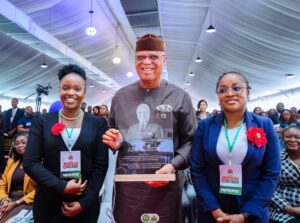
At the inauguration of 369 ward coordinators and volunteers of the Non-Indigenes Association’s chapter of the ARISE With Renewed Hope Initiative in October 2026, the association’s Advisory Council Chairman, Onoriode Obareki and the State Coordinator of the Association, Amb Sunday Usikhifo expressed gratitude to the Governor for extending ₦800 million business grant to non indigenes in Akwa Ibom State. Their remarks reflected the community’s interest in the initiative and its potential to support business development among non-indigenous residents.
Governor Umo Eno’s ₦800 million grant places non-indigenous residents within the conversation about public empowerment and economic opportunity in Akwa Ibom. The intervention’s ultimate impact is seen in its reach to eligible businesses, its contribution to strengthening livelihoods and its ability to enable more residents, regardless of origin, to participate in the state’s economic development.