The learning environment in about 30 public primary and junior secondary schools in Akwa Ibom is set for a major facelift as the State Universal Basic Education Board (SUBEB) moves to deploy about ₦7.1 billion in Universal Basic Education (UBE) intervention funds to improve school infrastructure and strengthen basic education delivery across the state.
The intervention, which is expected to directly benefit pupils, teachers and host communities, entered a new phase with the opening of bids for the projects at the SUBEB Secretariat in Uyo. The projects are contained in the state’s 2026 budget and are expected to be completed within three months.
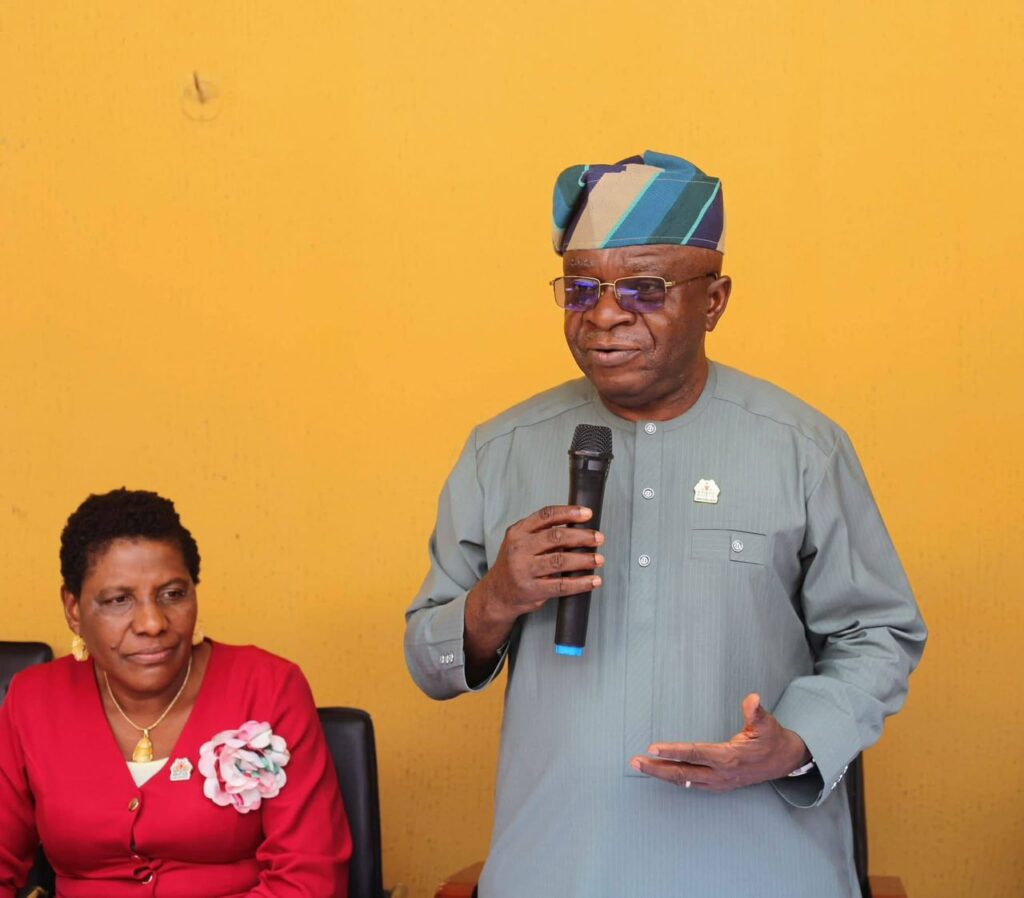
The Executive Chairman of SUBEB, Mr. Anietie Etuk, said the projects were designed to address infrastructure needs in beneficiary schools and create better conditions for teaching and learning. He stressed that the quality of the facilities delivered would be as important as the amount invested.
Etuk therefore warned contractors against cutting corners or deploying inferior materials, insisting that every project must conform to approved specifications. According to him, the intervention was ultimately about providing pupils with facilities capable of supporting effective learning, not merely executing government contracts.
“We are committed to transparency, due process and accountability in the procurement and execution of these projects,” Etuk said
He charged contractors to ensure that the quality of their work justified the resources committed to basic education.
He also raised concern over the vandalisation of government facilities, urging village and community leaders to protect schools and other public infrastructure located within their communities. He noted that sustained community ownership would be necessary to preserve the investments and ensure that pupils continued to benefit from them.
The UBEC South-South Zonal Director, Akpanossom Udoh, also called for strict accountability in the implementation of the projects, urging technical advisers to carry out their responsibilities without fear or favour. He emphasised the need to ensure value for money and timely release of funds so that contractors could meet the three-month completion target.
Udoh said effective supervision remained critical to ensuring that the intervention translated into tangible improvements in schools, rather than becoming another cycle of projects that fail to meet the needs for which they were initiated.