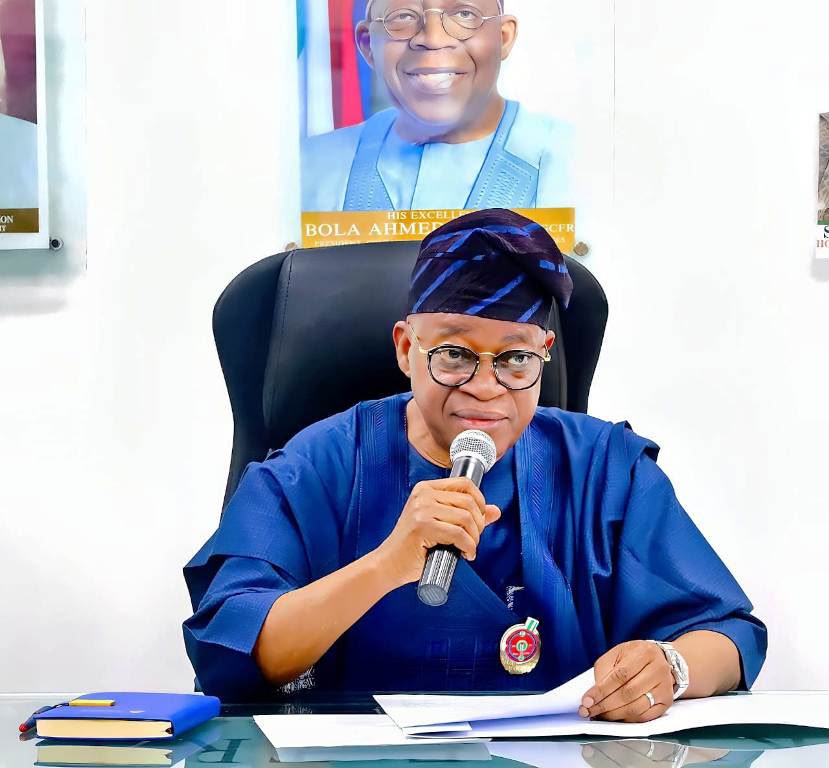
Akwa Ibom State is seeking to expand the access of its indigenes to specialised industrial job through a six-month underwater welding training programme for 93 youths, as the state government steps up engagement with Sterling Global over workers’ welfare and employment practices.
The training initiative, to be sponsored by Sterling Global, will involve three candidates from each of the state’s 31 local government areas, with participants expected to undergo the programme in Port Harcourt, Rivers State.
The government said the intervention was aimed at equipping young people with technical competencies required for specialised operations, particularly in the oil and gas industry, where access to appropriate training can improve employment prospects.
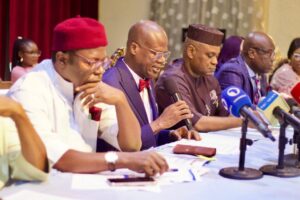
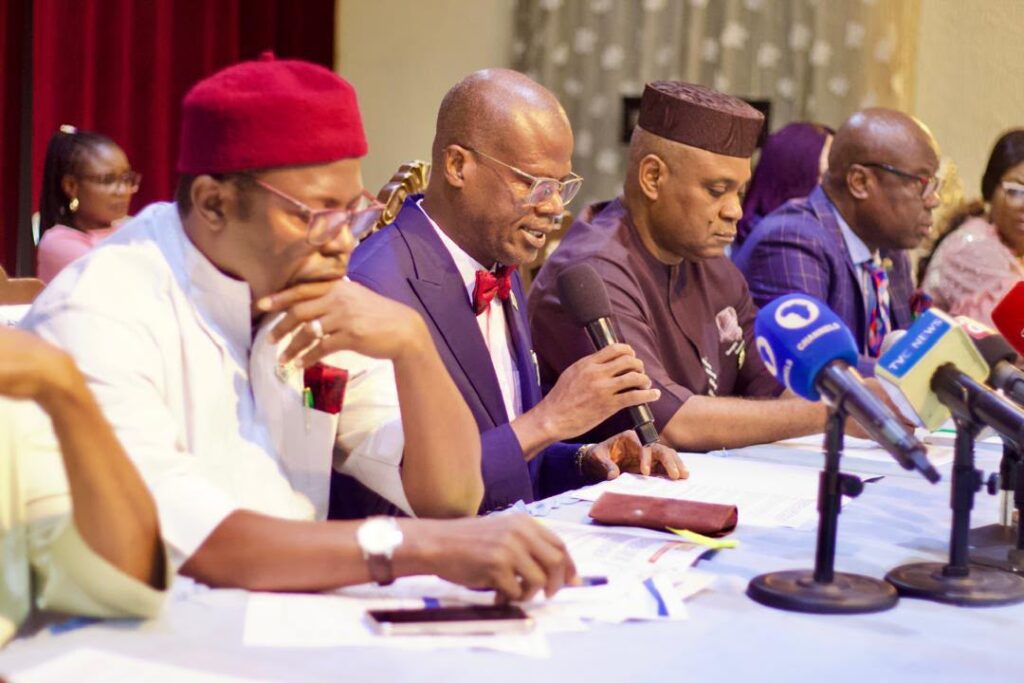
The programme was announced during a ministerial media briefing by the Ministry of Labour and Manpower Planning, where the government also outlined efforts to address labour-related complaints involving Sterling Global.
The Special Adviser to Governor Umo Eno on Labour, Sir Udo Kierian Akpan, said the administration was engaging the company over concerns relating to remuneration, working hours, safety standards, employment practices and alleged disparities in wages.
Akpan, who spoke alongside the Commissioner for Labour and Manpower Planning, Elder Ikoedem Ekong, said the governor had convened a meeting with Sterling Global’s Managing Director, members of its management team, government officials and other stakeholders to find a way forward.
A joint committee comprising representatives of the state government and the company has been established to examine the complaints and work towards their resolution.
Among the issues being considered are alleged differences in the pay of workers performing similar duties in Lagos and Akwa Ibom, as well as compliance with labour regulations and employment opportunities for indigenes.
Akpan said the government was hopeful that substantial progress would be achieved before the end of December.
The engagement places workers’ rights and local participation in industrial employment at the centre of the state’s relationship with the company, amid calls for investment activities to deliver tangible benefits to the host environment.
The government also used the briefing to highlight its wage and salary policies, including the implementation of an ₦80,000 minimum wage for state workers, compared with the ₦70,000 national minimum wage.
According to the government representative, the state raised its minimum wage by ₦10,000 above the national benchmark, while subsequent adjustments would depend on future national wage negotiations and the state’s position.
In the education sector, academic and non-academic staff in selected state-owned tertiary institutions have benefited from salary reviews. Akpan said academic staff received a 25 per cent increase, non-academic staff 20 per cent, while professors received a 30 per cent adjustment.
The institutions mentioned included Akwa Ibom State University, the state College of Education, the polytechnic and the School of Health Technology.
The government also disclosed a 40 per cent salary increase for doctors and a 30 per cent increase for other categories of health workers, following collaboration between the labour and health ministries.
Allowances for heads of local government services were also reviewed to reflect their responsibilities, the briefing stated.
Beyond employment and remuneration, the government raised concerns about land acquisition by companies, urging community leaders and residents to exercise caution when entering transactions involving ancestral lands.
Akpan said the administration was working towards clearer guidelines for land transactions to minimise disputes between investors and host communities.
On environmental concerns, the government said the Ministry of Environment and relevant regulatory agencies were responsible for investigating oil spills, identifying the companies involved and coordinating clean-up operations. It cited reported incidents in communities around Ibeno and said relevant agencies had assessed affected locations.
The government said its broader labour agenda was focused on improving working conditions, strengthening technical capacity among indigenes and ensuring that industrial activities created meaningful opportunities for residents of Akwa Ibom.