The Code of Conduct Bureau (CCB) has warned newly recruited investigation and enforcement officers that their real test begins after graduation, urging them to resist inducements, intimidation and other pressures that could compromise their constitutional responsibilities.
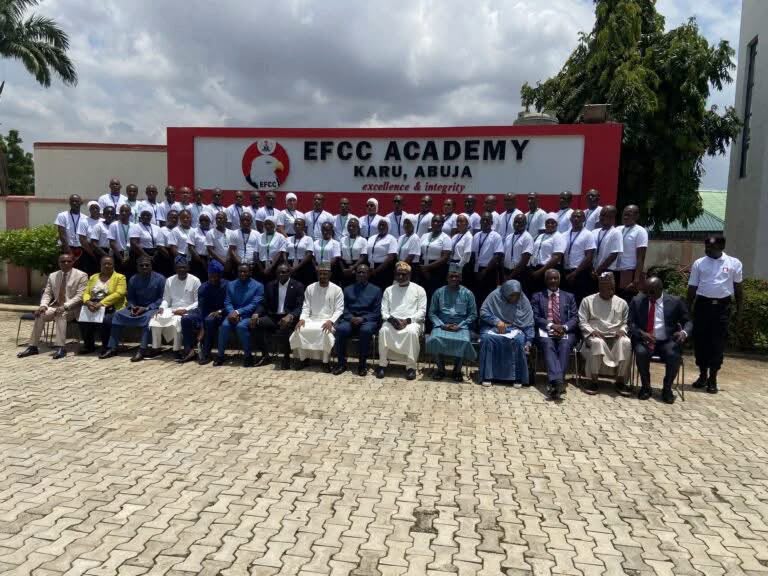
CCB Chairman, Dr Abdullahi Bello, gave the warning on Monday in Abuja at the closing ceremony of a four-week basic investigation and enforcement training programme for the new officers at the Economic and Financial Crimes Commission (EFCC) Academy, Karu.
Bello said the officers would soon be dealing with public officials who possess greater financial resources, influence and connections, making personal integrity indispensable to the success of their assignments.
He cautioned that even seemingly harmless gifts or favours could undermine the credibility of their work, stressing that “graduation is not the end of training” but the beginning of responsibility.
He said the officers would handle asset declarations, participate in verification exercises and investigations, and therefore must protect sensitive information entrusted to them. Bello specifically warned against unauthorised disclosure of confidential declarations and other official information, assuring that the bureau would provide appropriate posting, mentoring and supervision.
The chairman described the training as a significant milestone in cooperation between the two anti-corruption institutions, noting that it was the first time the CCB had sent an entire batch of newly recruited officers to the EFCC Academy.
He said the programme was designed to strengthen their capacity to investigate, examine and enforce the Code of Conduct.
EFCC Chairman, Olanipekun Olukoyede, said the programme demonstrated the value of closer collaboration among Nigeria’s anti-corruption agencies, particularly in developing professional capacity.
He said the training was expected to produce officers with greater commitment to both enforcement and prevention in the fight against corruption.
Also, the Minister of Information and National Orientation, Mohammed Idris, represented by the ministry’s Director of Public Relations and Protocol, Haruna Suleiman, described the CCB’s mandate as central to transparency, accountability and public confidence in government.
He stressed that corruption could not be defeated by enforcement alone, but required prevention, ethical leadership, public enlightenment and stronger institutions.
Representing the Attorney-General of the Federation and Minister of Justice, Director of Public Prosecutions, Rotimi Oyedepo, urged the officers to resist pressure and remain professionally courageous, saying Nigeria needed officials capable of standing firm when confronted with attempts to compromise their duties.
He reminded the graduates that every fair investigation, properly examined declaration and professionally handled complaint could strengthen citizens’ trust in public institutions.