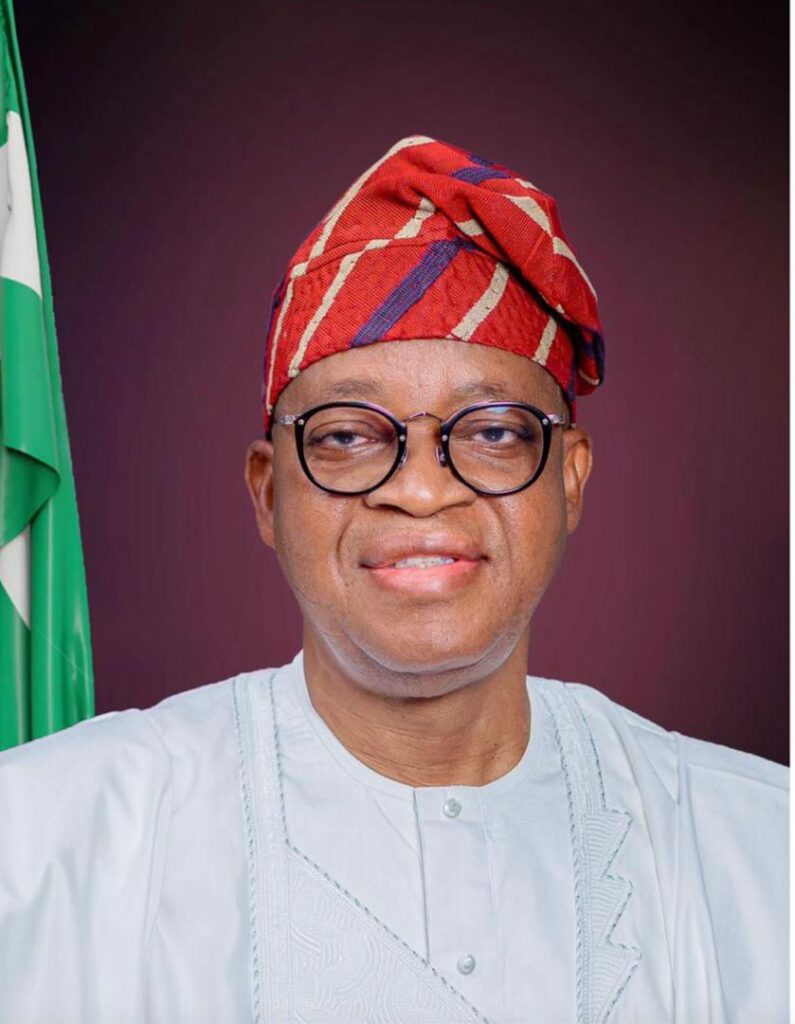
Human rights lawyer and Senior Advocate of Nigeria (SAN), Ebun-Olu Adegboruwa, has called for an independent technical review of the revised Lagos-Calabar Coastal Highway alignment, warning that the reported diversion could deny coastal communities in Ondo and Delta states the economic benefits of the multibillion-naira infrastructure project.
Adegboruwa urged President Bola Tinubu to intervene in the controversy, insisting that engineering challenges should not become a justification for abandoning the highway’s original objective of connecting communities along Nigeria’s Atlantic coastline.
In a statement dated October 12, 2026, titled “Lagos-Calabar Coastal Highway: Time For President Tinubu To Call Umahi To Order,” the lawyer warned that changing the route without a transparent assessment of its implications could undermine the development goals for which the project was conceived.
His intervention followed the disclosure by the Minister of Works, David Umahi, that Tinubu had approved the diversion of the highway through the existing East-West Road from Ondo State into Edo State, rather than pursuing a new alignment along the affected coastal corridor.
Umahi reportedly explained that the decision was informed by difficult terrain, deep pits, unstable subsoil conditions and flooding risks that could complicate construction and threaten the durability of the road.
The minister also quoted the President as directing the ministry to use the existing East-West Road instead of undertaking new alignments.
But Adegboruwa questioned the wider implications of the decision, arguing that a route adjustment driven by construction concerns must not defeat the highway’s strategic purpose or exclude communities expected to benefit from it.
Describing the reported realignment as “nothing short of sabotage,” the lawyer maintained that the Federal Government should subject the revised route to independent technical scrutiny before proceeding with a decision that could have lasting economic consequences for the affected states.
He argued that the controversy goes beyond the engineering feasibility of constructing a coastal road, raising questions about whether the project would deliver its promised connectivity to communities whose economic activities depend on access to the Atlantic coastline.
Ondo and Delta states have coastal resources with considerable potential for fisheries, tourism, maritime commerce and other investment opportunities. Adegboruwa warned that moving sections of the highway inland could weaken the transport links needed to unlock these resources.
He said farmers, fishers, local traders, transport operators and prospective investors in the affected communities could lose out if the revised alignment fails to provide the access and connectivity anticipated under the original plan.
The lawyer therefore urged Tinubu to ensure that the decision-making process balances construction realities with the broader economic and social objectives of the highway, rather than allowing immediate engineering considerations to overshadow its long-term development value.
Flagged off in May 2024, the Lagos-Calabar Coastal Highway was conceived as a major transport corridor linking coastal states and supporting economic activities along Nigeria’s Atlantic seaboard.
Adegboruwa’s intervention has brought renewed attention to the need for clarity on how the reported route change will affect the project’s original coverage, particularly the communities that expected improved access to markets, tourism destinations and maritime-related opportunities.