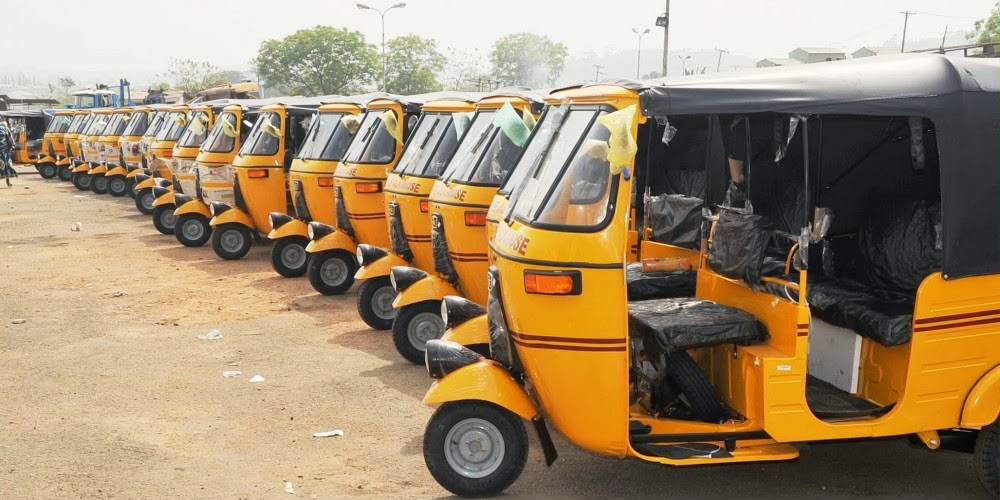
Akwa Ibom State Governor, Pastor Umo Eno, has extended the deadline for the registration of commercial tricycles and buses in the state to September 30, warning that unregistered vehicles will be taken off the roads from October 1.
Eno announced the extension on Tuesday, September 15, 2026, while speaking with Government House Press shortly after inspecting some ongoing projects across the state.
The governor said the extension followed appeals from commercial transport operators for additional time to complete the registration process, but stressed that there would be no further extension after the new deadline.
According to him, the exercise is designed to establish an accurate database of commercial transport operators and strengthen the ability of government and security agencies to monitor the sector.
Eno said the measure had become particularly important as the state approaches the Yuletide season, a period he noted could come with increased security concerns.
“We are getting into the Yuletide season where crime rate rises. We need to have them in our database. Can we trust them? We have given enough notice. From the first of October, we will swing into action,” he said.
The governor said the enforcement would apply to both commercial tricycles, popularly known as Keke, and buses operating without the required registration and identification.
During the inspection tour, Eno visited the Victor Attah International Airport Clinic, Aviation Village, Dakkada Luxury Estate and the CNG Bus Terminal at the former Udua Ebot area of Ikot Ekpene, along Goodluck Jonathan Boulevard.
At the CNG Bus Terminal, he said the facility would comprise a transportation terminal, workshop, training centre and other supporting infrastructure required for efficient operations.
Eno expressed confidence that the terminal would be ready for operation by November, ahead of the Yuletide season, when increased movement of people is expected to place additional demands on the state’s transportation system.
The governor also directed attention to drainage requirements at one of the inspected project sites after low-lying areas were identified, stressing the need for proper water management to protect the infrastructure.
He described project inspection as a routine responsibility of his administration, saying the exercise was intended to monitor progress, address emerging challenges and ensure that ongoing projects are delivered according to schedule.