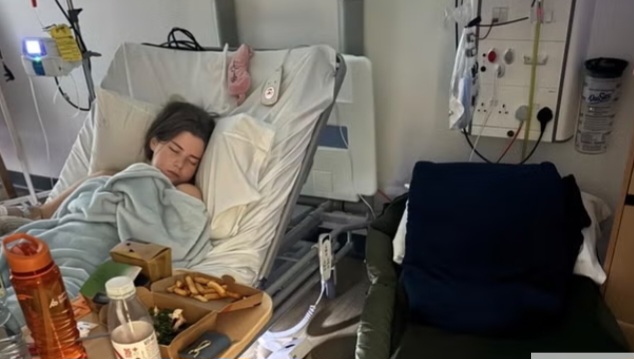
A meningitis survivor has urged university students to seek urgent medical attention when symptoms emerge, warning that mistaking the infection for an ordinary illness could delay diagnosis and put lives at risk.
According to The Independent, Sofia Mattacola Westley contracted meningitis at 18 after attending a concert ahead of her planned university studies. She developed a fever, severe headache, vomiting and faintness, but doctors took several days and multiple tests to establish the cause of her illness.
Westley’s experience comes amid concerns over meningitis outbreaks reported in parts of the United Kingdom earlier in 2026, including Kent, Canterbury, Oxfordshire, Dorset and Berkshire. The close living arrangements and frequent social interactions associated with university life can increase opportunities for infections to spread.
Figures cited by The Independent showed that 348 meningitis cases had been confirmed in the UK this year, with 26 deaths recorded. The disease causes inflammation of the membranes surrounding the brain and spinal cord and can lead to serious complications, including sepsis.
Daniel Turnbull, a professional standards pharmacist at Pharmacy2U, warned that meningitis can initially resemble illnesses commonly associated with the start of university life. Symptoms include fever, severe headache, sensitivity to light and neck stiffness, while some patients may develop a bruise-like rash.
However, Turnbull cautioned against waiting for a rash before seeking help, explaining that symptoms can appear in different orders. Suspected meningitis requires urgent medical assessment because the condition can become life-threatening.
Westley also disclosed that the illness had affected her recovery, education and daily activities. She postponed her planned studies at the University of Exeter for a year and continued to experience fatigue and headaches triggered by minor activities long after the initial infection.
She urged students to exercise caution when sharing drinks and food, noting that people carrying the bacteria may show no symptoms. The UK Health Security Agency estimates that about one in 10 people carries meningitis-causing bacteria without becoming ill, according to The Independent.
The report also highlighted a free NHS vaccination programme for eligible young people, including those in Year 13 and students beginning university or moving into further-education accommodation for the first time. Vaccination can protect against certain strains of meningitis, although it does not prevent every form of the disease.
Westley encouraged young people to familiarise themselves with the symptoms and understand how the infection spreads, stressing the importance of taking warning signs seriously rather than dismissing them as freshers’ flu.