Nigeria’s maternal health crisis has triggered a fresh Federal Government intervention, with authorities launching a new incentive scheme aimed at persuading more pregnant women to seek antenatal care, deliver in health facilities and return for postnatal services.
The urgency of the intervention was underscored by Minister of State for Health and Social Welfare, Dr Iziaq Salako, who disclosed that the 2023–24 Nigeria Demographic and Health Survey puts a Nigerian woman’s lifetime risk of dying from pregnancy-related causes at about one in 19.
Salako further said Nigeria accounts for nearly 29 per cent of maternal deaths globally, making the country’s struggle with preventable deaths during pregnancy and childbirth one of its most critical public health challenges.
The incentives are being introduced under the Maternal and Neonatal Mortality Reduction Innovation Initiative, MAMII, which the Federal Government launched in November 2024 to concentrate resources on communities carrying the heaviest burden of maternal and newborn deaths.
According to Salako, the programme covers 172 Local Government Areas in 33 states. Although the areas represent only about 20 per cent of Nigeria’s LGAs, they account for an estimated 55 per cent of maternal deaths nationwide. The government wants the intervention to cut maternal mortality by 30 per cent and neonatal mortality by 20 per cent in the targeted areas by 2028.
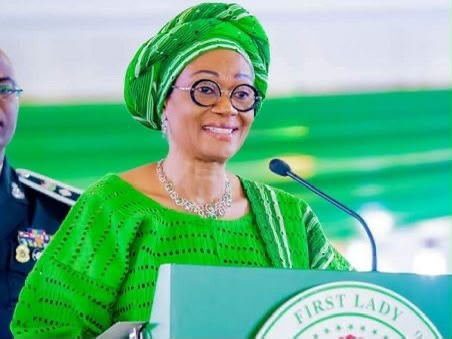
Speaking at the flag-off ceremony in Abuja, First Lady Senator Oluremi Tinubu said the initiative was designed to remove some of the barriers that prevent women and newborns from receiving timely and quality care, stressing that no woman should die simply because she is giving birth.
Coordinating Minister of Health and Social Welfare, Professor Muhammad Ali Pate, said MAMII was tackling both sides of the problem by improving health facilities, manpower, essential commodities and affordability while simultaneously encouraging pregnant women to use available services.
The Federal Government said early results were already emerging, with more than 60,000 women receiving free Caesarean sections and other emergency obstetric services through the National Health Insurance Authority, while more than 120,000 frontline health workers had been retrained. More than 6,000 women affected by obstetric fistula have also received treatment and empowerment support.
The Minister of State added that more than 250 facilities are currently implementing MAMII in Bauchi, Borno, Kaduna, Kano, Katsina and Ogun states, with over 32,000 women and 1,700 newborns already benefiting from emergency obstetric and neonatal services. The National Emergency Medical Treatment and Ambulance System has also transported nearly 79,000 beneficiaries to appropriate care, about 60 per cent of them pregnant women.
Government officials said the new incentives would particularly promote early antenatal registration, skilled facility-based delivery and postnatal follow-up, while stressing maternal nutrition and micronutrient supplementation as part of the wider strategy. Pate urged states and their health commissioners to sustain the intervention, arguing that state governments remain closest to the communities where many of the preventable deaths occur.