
Nigeria’s maritime sector has recorded a major international achievement, with the country’s ports listed among the 20 most improved and efficient port systems in the world by the World Bank.
The Managing Director of the Nigerian Ports Authority (NPA), Dr Abubakar Dantsoho, described the recognition as a historic development, saying Nigeria had not recorded a similar achievement in about 30 years.
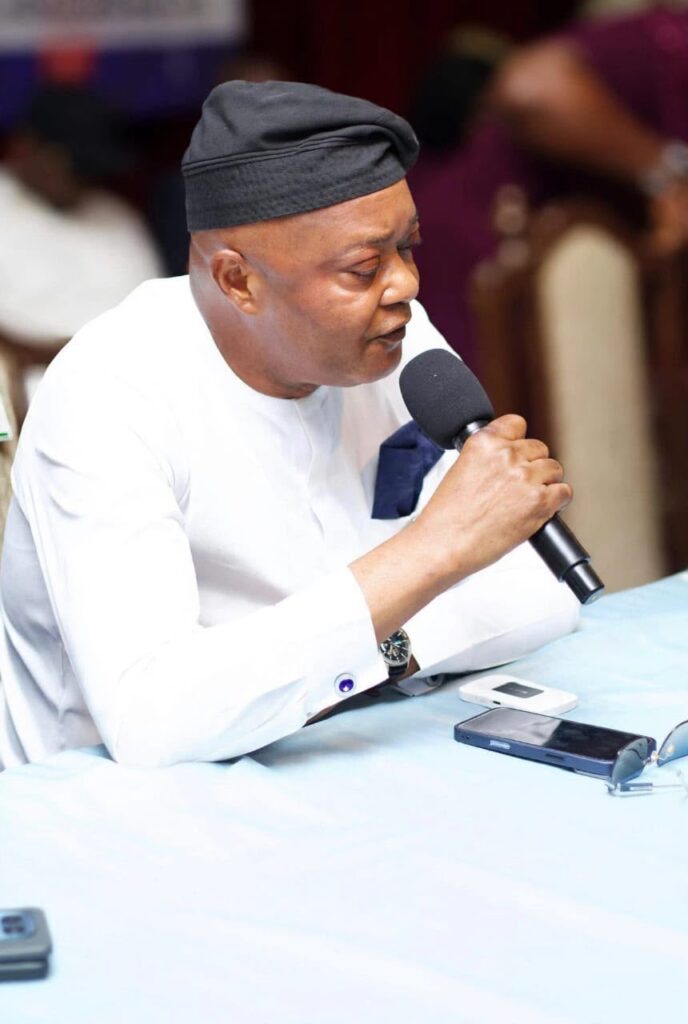
Speaking during an interview on The Exchange Podcast hosted by Femi Soneye, Dantsoho said the progress was the outcome of reforms introduced to improve cargo handling, strengthen export procedures and make port operations more efficient.
He explained that Nigeria’s ability to compete with other countries in maritime trade would depend not only on modern facilities but also on how quickly and effectively goods are processed.
According to him, the NPA has introduced measures such as the electronic truck call-up system to control the movement of trucks around port facilities and reduce the disorder previously associated with port access.
He also pointed to the establishment of export processing terminals, which are expected to ensure that goods meet international requirements before leaving the country. This, he said, would help Nigerian exporters avoid unnecessary difficulties and rejection of their products in foreign markets.
Dantsoho warned that poor export standards could damage the country’s reputation, increase business costs and discourage international buyers. He maintained that improving the quality and reliability of Nigerian exports was important as the government worked towards reducing dependence on crude oil.
Beyond the existing reforms, the NPA is also working towards the implementation of the National Single Window and Port Community System. Both initiatives have received Federal Government approval and are expected to improve communication, documentation and cooperation among agencies involved in port activities.
The NPA boss also stressed the need for Nigeria to strengthen its position in the West African maritime market, where countries including Ghana, Togo, Benin Republic and Côte d’Ivoire are investing in their ports to attract more shipping activities.
He noted that Nigeria’s large economy and strategic location could make its ports an important gateway for landlocked countries such as Niger Republic, Chad, Burkina Faso and Mali, provided cargo handling becomes faster and more dependable.
Dantsoho commended President Bola Tinubu and the Minister of Marine and Blue Economy for supporting the authority’s reform proposals, adding that their approvals had helped move several long-standing projects forward.
He, however, said the World Bank recognition should not be seen as a reason to slow down, insisting that more work was needed to modernise the country’s ports and improve their international competitiveness.
He expressed confidence that sustained reforms would attract more shipping business, strengthen non-oil exports and position Nigeria as one of Africa’s leading maritime destinations.