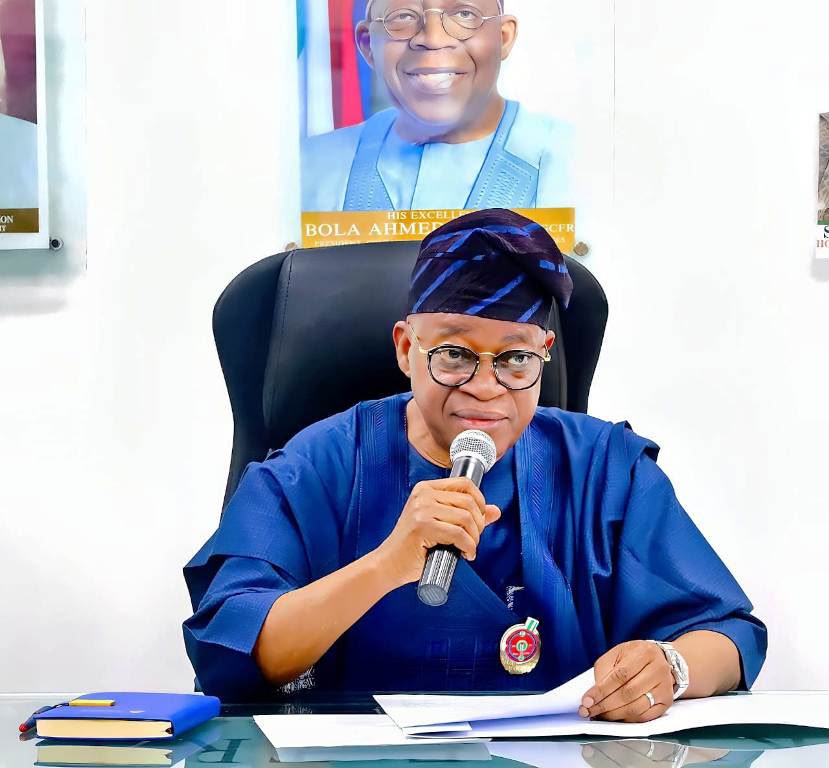
The Peoples Democratic Party (PDP) has criticised President Bola Ahmed Tinubu’s decision to extend his working vacation in Europe and stay away from the 81st United Nations General Assembly (UNGA), arguing that his absence comes at a time Nigeria is grappling with insecurity, economic difficulties and growing public concerns.
The opposition party said the President’s decision was an “unacceptable abdication” of his presidential responsibilities, insisting that Nigerians have the right to question his absence from both domestic duties and a major international diplomatic gathering.
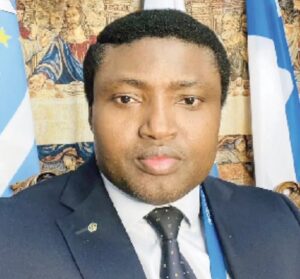
The PDP National Publicity Secretary, Interim National Working Committee, Comrade Ini Ememobong, made the position known in a statement issued on Tuesday, following the Presidency’s announcement that Tinubu had extended his working vacation by a few days.
The Presidency had said Tinubu would return to Nigeria at the weekend after extending his vacation, which began on August 30. According to Special Adviser to the President on Information and Strategy, Bayo Onanuga, the President had remained in touch with developments at home and continued to direct the affairs of government while away.
While Tinubu remains in Europe, Vice President Kashim Shettima travelled to New York on September 20 to represent Nigeria at the 81st UN General Assembly and is expected to deliver the country’s national statement. The Secretary to the Government of the Federation, George Akume, has also continued to represent the President at some official engagements.
But Ememobong argued that the President’s continued absence was inappropriate given the challenges confronting the country, saying, “no reasonable parent or caretaker goes on vacation when his house is burning.”
He questioned why Tinubu would extend his holiday when, according to the party, insecurity was rising, macroeconomic conditions remained difficult and Nigerians were increasingly expressing frustration over their circumstances.
The PDP spokesman further maintained that Tinubu, having voluntarily sought the presidency and subsequently taken the oath of office, remained accountable to Nigerians and could not treat questions about his performance and whereabouts as an affront.
“We must remind the President and the Presidency that Asiwaju Bola Ahmed Tinubu sought for this job, and by being sworn in, he became the servant, not lord and master, of the country and all Nigerians,” Ememobong said.
He also faulted the President’s decision not to proceed from Europe to the United States for the UNGA, arguing that the global gathering provided an opportunity for Nigeria’s leader to engage other world leaders and seek international support for the country’s challenges.
“If the President is not in Nigeria solving the problems of the country, he should be at UNGA seeking international help for the country,” he said, adding that the decision to remain on vacation was “a stark opposition to the existential reality of most Nigerians.”
The PDP also took issue with the Presidency’s response to criticism of Tinubu’s absence, accusing the administration of failing to appreciate the right of citizens to demand accountability from the President.
However, the Presidency has defended the arrangement, saying the Vice President has been specifically delegated to represent Tinubu at the UNGA. It also described criticisms of the President’s absence and suggestions surrounding the decision as “baseless” and “irresponsible.”
Tinubu’s absence comes as the 81st UNGA general debate begins in New York, while the President continues engagements in Europe. The State House said his working vacation had included meetings in Paris with French President Emmanuel Macron and businessman Vincent Bolloré, alongside directives on domestic matters, including an investigation into the deaths of 37 suspected illegal miners in Niger State.
Ememobong, however, urged Nigerians to regard the controversy over the President’s absence as part of the issues that should inform their assessment of political leadership ahead of the January 2027 general elections, saying the country needed a President “ready, willing and able to work conscientiously for our country, locally and internationally.”