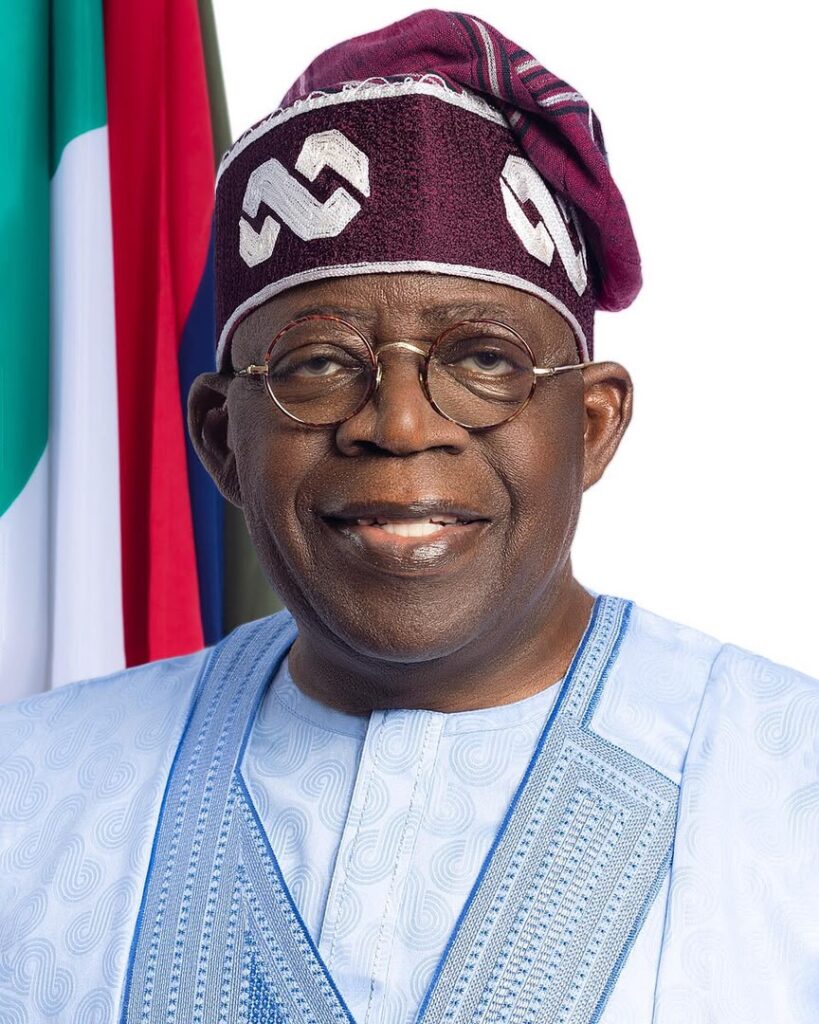
President Bola Ahmed Tinubu has placed the fight against child labour within Nigeria’s broader development agenda, warning that children trapped in exploitative work are being denied the education, health and opportunities needed to build the country’s future.
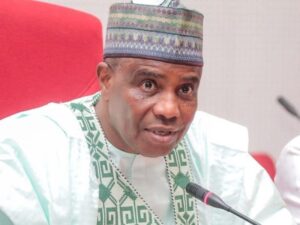
Tinubu, represented by Secretary to the Government of the Federation, Senator George Akume, stated this on Wednesday in Abuja at the National Dialogue on the implementation of Nigeria’s National Child Labour Policy and National Action Plan, 2026–2030, where the 2024 National Child Labour Survey Report was also launched.
The President said the Federal Government would intensify efforts to tackle the economic and social conditions pushing children into labour, stressing that the problem extends beyond employment and has implications for education, poverty reduction, food security, human capital development and national security.
“Every nation is judged by how well it protects its children,” Tinubu said, adding that a child forced into labour instead of school loses not only education but also opportunities, confidence, health and the ability to contribute fully to national development.
He identified education and social protection as key tools in breaking the cycle, pointing to reforms targeting out-of-school children, education data, teacher development and skills acquisition, as well as the Renewed Hope National Home-Grown School Feeding Programme.
According to the President, programmes including NG-CARES Additional Financing and the Human Capital Opportunities for Prosperity and Equity Programme are also intended to strengthen vulnerable households and improve parents’ capacity to secure decent livelihoods, thereby reducing pressures that can push children into exploitative work.
The policy horizon now stretches to 2030, placing child protection alongside wider national development priorities and shifting the issue from a narrow labour concern to a question of how effectively Nigeria is preparing and protecting its next generation.