The United States is pushing for a fresh round of technical-level discussions involving Ukraine, Russia and the US, while President Donald Trump has given what Ukrainian President Volodymyr Zelenskyy described as final approval for Kyiv to obtain licences to manufacture Patriot missile interceptors.
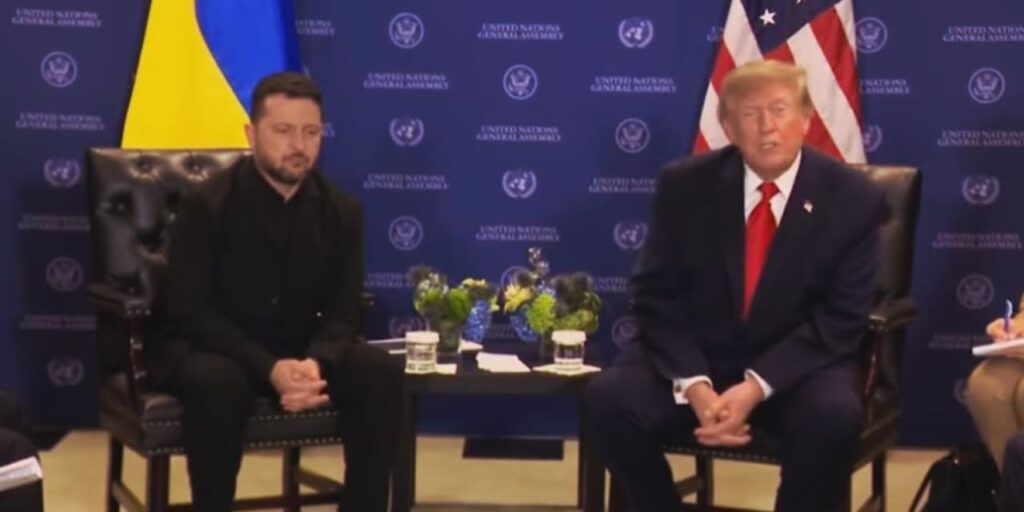
Zelenskyy disclosed the twin developments while briefing journalists on his recent meeting with Trump, saying Washington had proposed that the three countries begin with technical discussions before any possible higher-level engagement. The Associated Press reported the development on Friday.
According to the Ukrainian president, Washington is yet to provide a date for the proposed meeting but has suggested the United Arab Emirates as the venue. He said the arrangement was part of continuing US efforts to facilitate contact between Kyiv and Moscow.
Zelenskyy said the American and Ukrainian negotiating teams had held a separate lengthy discussion following his meeting with Trump and would brief European partners before continuing engagement with Russia.
“The Americans will speak with the Russians; and in ten days, we will come back with views and results in some shape or form,” he said.
The proposed diplomatic engagement comes as Ukraine continues to press for stronger air-defence capabilities amid sustained Russian missile and drone attacks, with Zelenskyy saying Trump had also made a final decision to allow Ukraine to produce Patriot missiles under licence.
“There are concrete agreements regarding Patriot licenses. At our meeting, President Trump stressed that he had made his final decision: Ukraine will receive licenses to produce Patriot missiles,” Zelenskyy said.
The announcement represents a significant development in Kyiv’s efforts to expand domestic production of advanced air-defence equipment. Ukraine has been seeking additional Patriot interceptors as it faces shortages amid continued Russian aerial attacks.
However, the licence decision is not expected to immediately resolve Ukraine’s air-defence shortage, as establishing domestic production capacity would take time. Euronews reported that Kyiv’s immediate requirement for interceptors remains urgent even with the prospective manufacturing arrangement.
Beyond the military dimension, Zelenskyy said the discussions with Washington also covered Ukraine’s finances, revealing a $27 billion state budget deficit, with a substantial portion of the funding requirement tied to military production and supplies.
He said about one-third of the deficit would be required for drones for January through March 2027 and warned that delays in placing orders and making payments during October and November could create difficulties for Ukraine’s defence production.
“Most of this money is for our drones, missiles, and supplies for our warriors,” Zelenskyy said.
The Ukrainian president said the financing gap had been raised with European Commission President Ursula von der Leyen and International Monetary Fund Managing Director Kristalina Georgieva, adding that Kyiv had received what he described as positive responses from its international partners.
He said part of the financing and defence cooperation could be developed through a proposed “Drone Deal” involving joint production and the exchange of military technology and experience.
“When we sign a Drone Deal, it is not only about selling drones or missiles. It is also about co-production and sharing experience,” Zelenskyy said.
The Ukrainian leader also accused Russia of widening what he described as hybrid and drone-related pressure beyond the battlefield, citing incidents involving Moldova, Germany and Romania.
He said Ukraine was prepared to share its experience and technology with countries supporting Kyiv, particularly in drone production and defence.
The latest moves follow the September 22 meeting between Trump and Zelenskyy on the sidelines of the United Nations General Assembly in New York, where the two leaders discussed possible de-escalation measures and diplomatic efforts to end the war.
The latest US initiative therefore combines two tracks of engagement — renewed diplomatic contacts involving Washington, Kyiv and Moscow, alongside efforts to strengthen Ukraine’s capacity to defend itself against Russian attacks. AP reported that Washington’s proposed technical talks would involve officials rather than the three countries’ leaders at the initial stage.