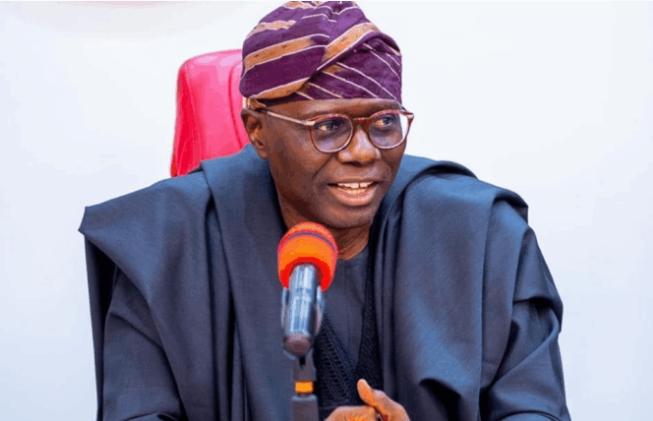
Lagos State has set its sights on building an economy worth nearly $1 trillion by 2052, with Governor Babajide Sanwo-Olu calling for increased investment, infrastructure expansion and stronger private-sector participation to achieve the ambition.
The target forms part of the Lagos State Development Plan 2052, a long-term framework aimed at transforming the state into a more competitive global business destination and consolidating its position as a major economic and financial centre in Africa.
Sanwo-Olu disclosed the plan on Wednesday during the Lagos Executive Business Breakfast Meeting organised by the Nigerian-British Chamber of Commerce in Lekki. The event focused on the future of Lagos, investment opportunities and the state’s competitiveness in the global economy.
According to the governor, the development blueprint contains 447 initiatives spanning 21 strategic sectors. Its priorities include economic expansion, improved living conditions, modern infrastructure and more effective governance.
He stressed that sustained investment in technology, human capital and critical infrastructure would be essential to achieving the state’s economic objectives, while urging the government to maintain policies that encourage businesses to expand and investors to commit more resources.
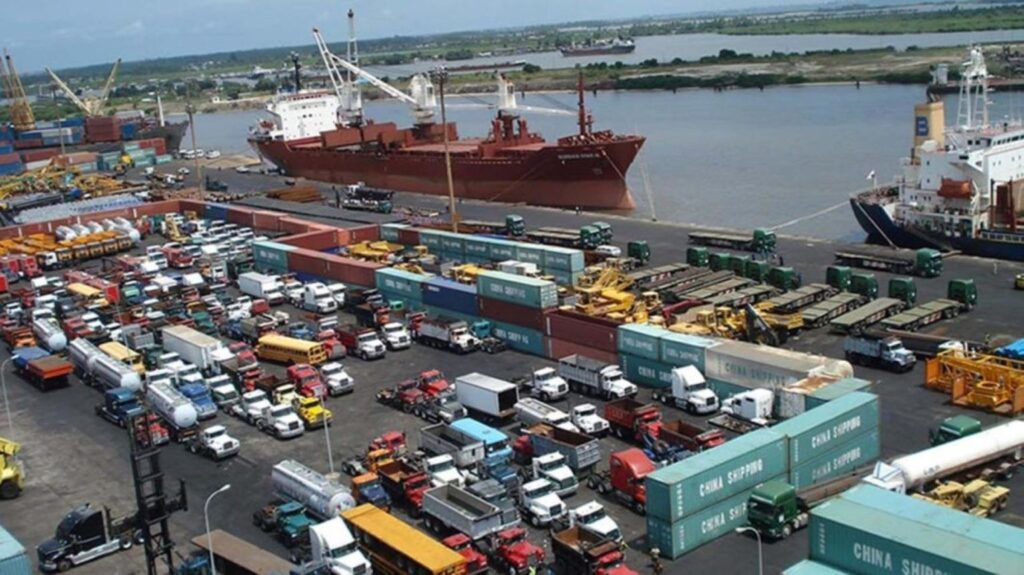
Sanwo-Olu also highlighted ongoing projects and emerging industries expected to support the growth agenda. These include the Blue and Red rail lines, the Lekki Deep Sea Port, improved digital connectivity, electricity sector reforms and investments in healthcare and education.
He identified manufacturing, technology, creative industries and regional trade as important areas for economic expansion, noting that better port operations and technological innovation could improve productivity, generate employment and stimulate commercial activities.
The governor further said his administration was strengthening support for small and medium-sized enterprises through grants, financing opportunities and initiatives designed to encourage innovation and develop a workforce capable of meeting the needs of emerging industries.
Sanwo-Olu, who assumed office on May 29, 2019, disclosed that the state’s budget had grown from approximately N700 billion in 2019 to N4.2 trillion in 2026. The increase, he said, reflects the scale of investment required to meet Lagos’ development needs and the importance of improving revenue generation to sustain public projects.
He added that his administration hoped to leave a lasting impact through improvements in transportation, security, healthcare, education, economic empowerment and other essential services.
Meanwhile, the president and chairman of the Nigerian-British Chamber of Commerce, Abimbola Olashore, called for closer cooperation between the government, investors and the business community to create a more attractive investment climate.
Olashore reaffirmed the chamber’s commitment to strengthening trade and investment ties between Nigeria and the United Kingdom, stressing the importance of collaboration in improving Lagos’ international competitiveness.
Achieving the $1 trillion target by 2052 will require sustained economic growth, effective implementation of development policies, stronger investment flows and improvements in infrastructure and the business environment over the coming decades.