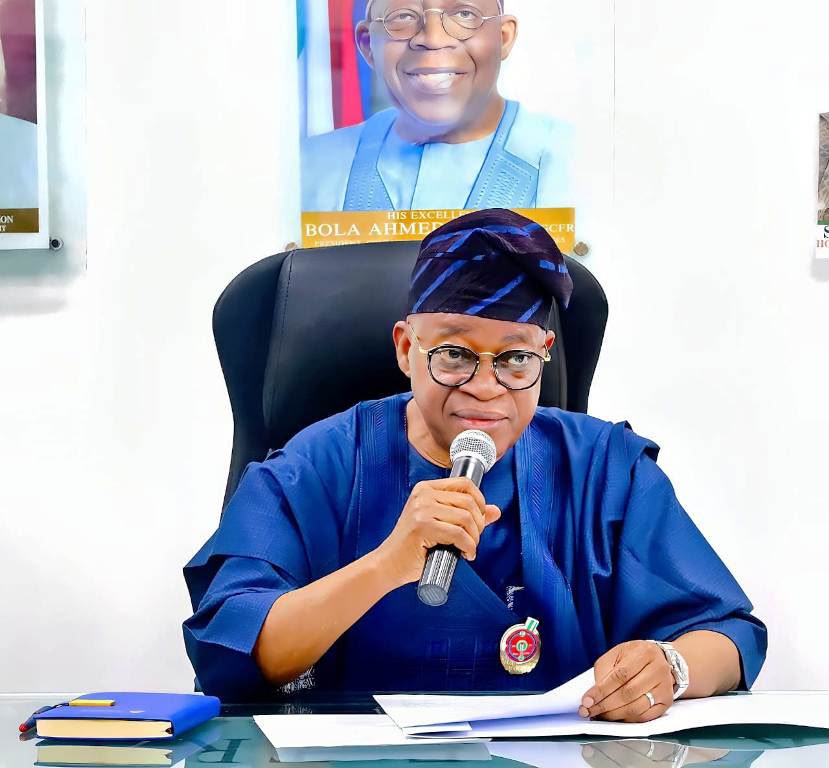
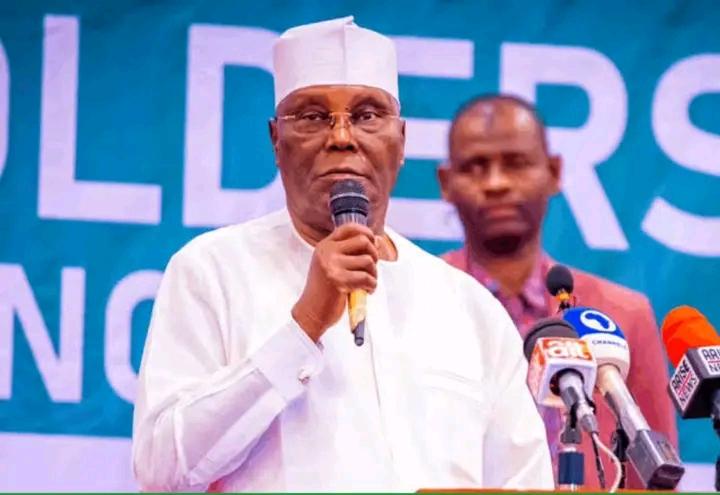
Former Vice-President and African Democratic Congress (ADC) presidential candidate, Atiku Abubakar, has called on President Bola Tinubu to introduce measures that would reduce the pressure of fuel costs on Nigerian households.
Atiku made the call in a statement issued by Phrank Shaibu, his campaign’s Director of Strategic Communication, in which he criticised the Federal Government’s handling of the economic reforms and their impact on families.
The former vice-president’s comments came after Tinubu’s Independence Day address, in which the President defended his administration’s reforms and argued against returning to fuel subsidy payments.
Atiku contrasted Nigeria’s approach with Germany’s recent intervention in the fuel market. The German government began a temporary reduction in energy taxes on petrol and diesel on October 1, with the measure expected to provide about €2.5 billion in relief through the end of 2026. The tax reduction amounts to approximately €0.17 per litre when VAT is included.
According to Atiku, the effect of expensive petrol extends beyond motorists because higher transportation costs eventually affect the prices of food and other essential commodities. He argued that government should respond when rising energy costs place excessive pressure on households.
He therefore proposed a different form of fuel intervention in Nigeria, focused specifically on petroleum products refined locally. Under his proposal, government support would be targeted, budgeted and subjected to auditing to ensure that the benefit reaches consumers through lower pump prices.
Atiku said the proposed arrangement would not cover imported fuel and would instead be linked to domestic refining. He argued that such an approach could simultaneously support local production and reduce pressure on consumers.
He also questioned claims that federal salaries and pensions were being paid “on time and in full”, pointing to reports of payment delays and complaints from pensioners. These claims were presented by Atiku as evidence of a gap between the government’s economic messaging and the experiences of some citizens.
The ADC candidate further said Nigerians were being forced to make difficult choices between transportation, food and other basic needs. He maintained that reducing fuel costs would have wider effects on household finances because cheaper transportation could eventually reduce the cost of moving goods to markets.
Atiku said his proposed policy would be financed through reductions in government waste and protected by measures designed to prevent diversion and manipulation. He framed the proposal around domestic refining, job creation and reducing the cost burden on households.
The former vice-president’s comments have added another dimension to the ongoing debate over fuel subsidy removal, with the Tinubu administration maintaining that returning to the old subsidy system would reverse the country’s reform programme.