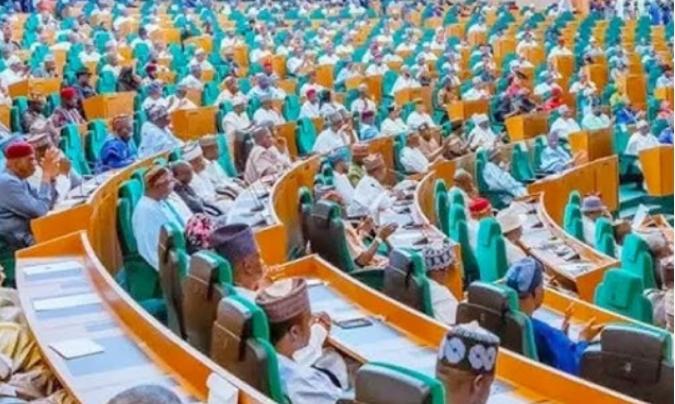
The establishment of state police in Nigeria has moved a step closer to reality after 30 of the country’s 36 State Houses of Assembly approved the proposed constitutional amendment to decentralise policing.
The development has strengthened efforts to allow states to operate their own police forces, although further constitutional procedures must be completed before the reform can take effect.
The four latest approvals came from Lagos, Niger, Kogi and Ebonyi states, bringing the total number of approving assemblies to 30. The constitution requires at least 24 states, representing two-thirds of the 36 states, to support the amendment.
As the process advances, the Federal Government is also seeking the involvement of private businesses in developing a workable funding and implementation plan for the proposed police system.
Speaking at the 32nd Nigerian Economic Summit in Abuja, the President’s Chief of Staff, Femi Gbajabiamila, said insecurity was hurting businesses by disrupting supply chains, delaying expansion plans and discouraging investment.
He urged the Nigerian Economic Summit Group and other business organisations to come forward with practical proposals on how state police could be financed and managed.
Gbajabiamila, however, warned that private sector contributions must not give businesses undue influence over police operations or investigations. He also stressed that public funding must remain reliable and that state governments must demonstrate their ability to pay salaries, provide training and meet other long-term expenses before establishing their forces.
Despite the growing support for the reform, concerns remain over how much control the Federal Government would retain. Lagos Assembly Speaker Mudashiru Obasa welcomed the proposal but argued that the current framework gives the centre too much power, calling for greater regional autonomy.
In Ebonyi and Kogi, the respective assembly speakers, Moses Ije Odunwa and Aliyu Umar Yusuf, led their lawmakers in approving the amendment unanimously, citing the need to tackle violent crimes and improve security at the local level.
Senate President Godswill Akpabio has maintained that the existing federal police force would continue to operate alongside state police under appropriate regulatory safeguards.
However, criminologist Professor Etannibi Alemika warned that creating state police would not automatically solve Nigeria’s security problems. He argued that the success of the reform would depend on addressing underlying socio-economic challenges and preventing governors from using the new forces for political purposes.
With 30 assemblies now backing the amendment, attention is turning to the remaining constitutional steps, including the necessary final endorsements and transmission of the proposed changes to President Bola Tinubu for assent.
The reform is expected to reshape policing in Nigeria by bringing security operations closer to communities, but questions about funding, accountability and political interference remain central to the debate.